Anemonefish are one of the simple joys of exploring our underwater world and teach us to stay active, eat well, and take care of others.
Like many divers, we were thrilled to see our first Anemonefish. It happened in Taveuni, Fiji, where we found Nemo and Dory too. There are 28 species of Anemonefish. These fascinating fish seem to have it all, comfortable homes, good looks, plenty of food, vitality, romance, families, and friends. What can we learn about our health and wellbeing from this unique symbiotic way of life?
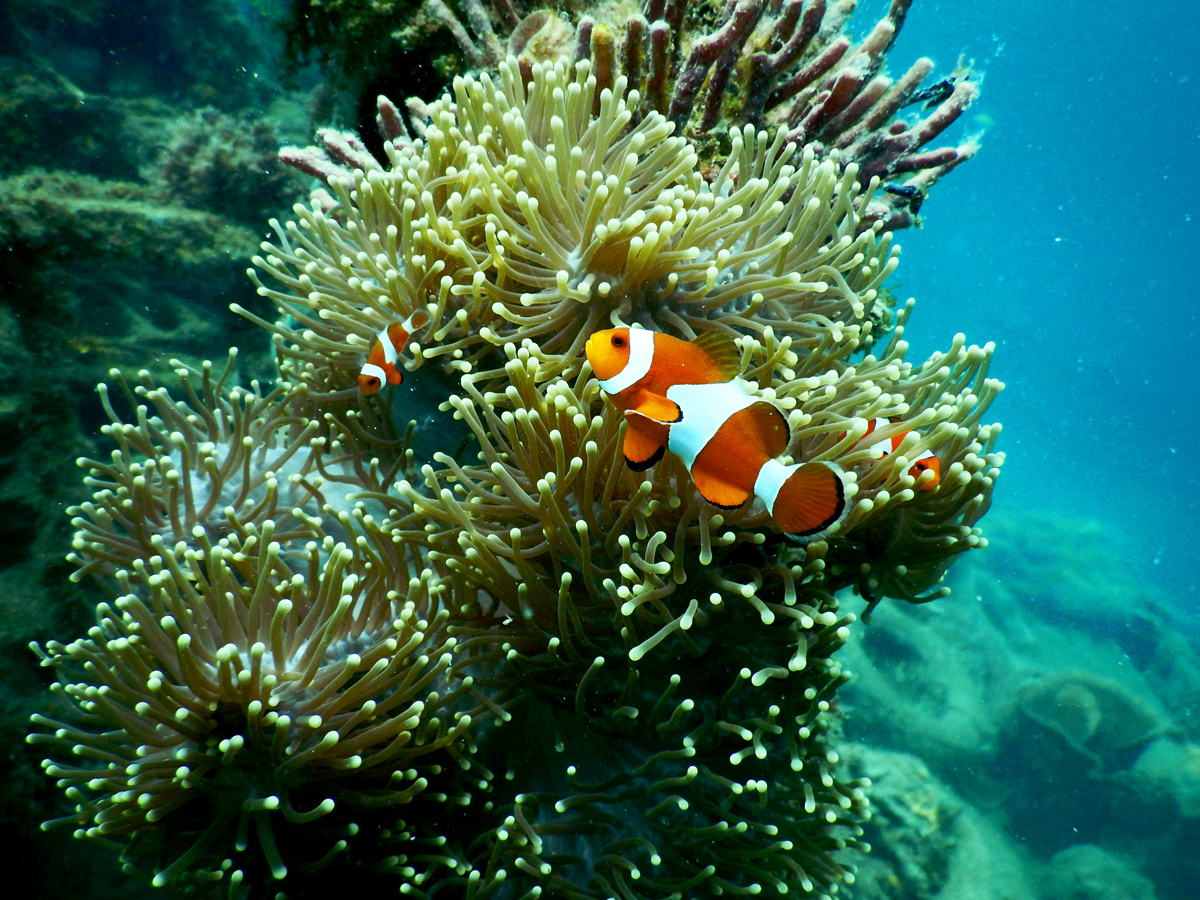
An Anemonefish in Indonesia. Credit: Tom Fisk
Stay Active
Anemonefish are known for constant and lively activity, dancing, darting, and wiggling.
• Physical activity is different than physical exercise. But the cliche, “move it or lose it” is true. An active lifestyle involves many aspects of daily activity such as shopping, carrying groceries, taking care of the children, gardening, walking pets, and doing chores around the home. Physical activity helps delay aging and disease, and to maintain the ability to continue performing tasks of daily living.
• Physical activity boosts mental wellness. According to the American Heart Association, regular physical activity can relieve tension, anxiety, depression, and anger. You may notice a “feel good sensation” immediately following your physical activity, and most people also note an improvement in general well-being over time as physical activity becomes a part of their routine.
• Physical activity improves physical wellness. Too much sitting and other sedentary activities can increase your risk of cardiovascular disease. One study showed that adults who watch more than four hours of television a day had a 46% increased risk of death from any cause and an 80% increased risk of death from cardiovascular disease. Becoming more active can help lower your blood pressure and also boost your levels of good cholesterol. Without regular physical activity, the body slowly loses its strength, stamina, and ability to function well. People who are physically active and at a healthy weight live about seven years longer than those who are not active and are obese.”
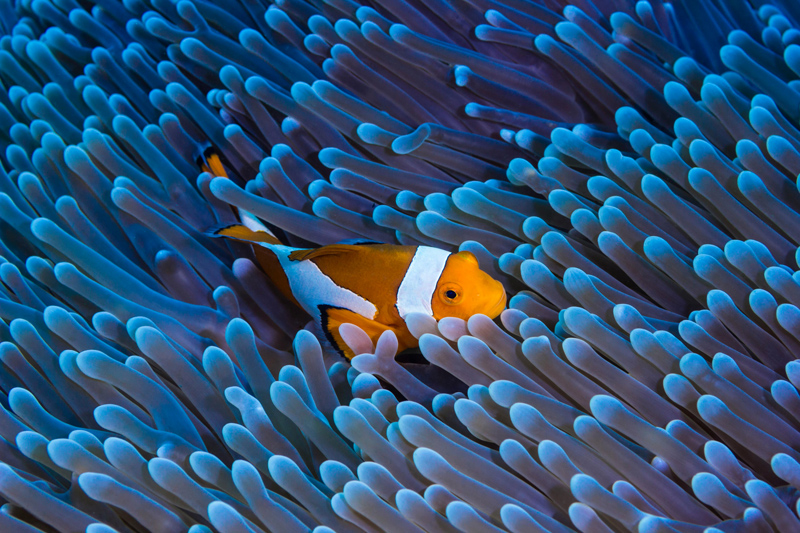
Anemonefish are known for constant and lively activity, dancing, darting, and wiggling. Credit: Nadia Chiesi
• Physical activity combined with exercise is particularly important for divers. A review of nearly 20 years medical conditions reported by divers indicates the most prevalent are heart disease and cardiovascular illness, high blood pressure, obesity, diabetes, smoking, asthma, and allergies. Musculoskeletal conditions most reported by divers are low back, knees, and shoulder injuries.
• Benefits of Physical Exercise. The American Heart Association goes on to state the following benefits of adding moderate physical exercise in addition to physical activity: Physical exercise “Improves blood circulation, which reduces the risk of heart disease, keeps weight under control, helps in the battle to quit smoking, improves blood cholesterol levels, prevents and manages high blood pressure, prevents bone loss, boosts energy level, helps manage stress, releases tension, promotes enthusiasm and optimism, counters anxiety and depression, helps you fall asleep faster and sleep more soundly, improves self-image, increases muscle strength increasing the ability to do other physical activities, provides a way to share an activity with family and friends, reduces risk of developing cardiovascular disease by 30-40 percent, reduces risk of stroke by 20 percent in moderately active people and by 27 percent in those who are highly active, establishes good heart-healthy habits in children and counters the conditions (obesity, high blood pressure, poor cholesterol levels, poor lifestyle habits, etc.) that lead to heart attack and stroke later in life, and helps delay or prevent chronic illnesses and diseases associated with aging and maintain better quality of life and longer independence for seniors.” Whew! that’s a long list, but a good one.
• Eat Moderate Portions. Anemonefish eat small portions. These dynamic fish are not typical predators but eat the leftover tidbits of food from anemones. Anemonefish are known to eat plankton, mollusks and crustacea and keep a tidy home by eating certain tentacles and parasites found on their host’s body. Just like us, their food provides nutrients for both structure and energy and includes protein, carbohydrates, and fat.
• Our bodies are our home. We can keep ourselves tidy and healthy by eating fresh whole foods and consuming moderate portions throughout the day. Schedule small meals every three hours in proportion to activity level. Sitting at a desk for the next three hours will obviously burn fewer calories and require less nutrition to fuel the activity of lifting weights or going for a walk.
• Eat proteins before eating carbohydrates. Protein is a low-glycemic food source that gives carbohydrates a place to land and allows the body to digest food slowly helping to prevent many of the metabolic processes that lead to stored fat. Proteins usually contain some amount of fat, which is also more satisfying so you may be likely to eat less. For example, if a party begins with cocktails, be sure to have a protein-based hors d’oeuvre with the first sip.
• Make healthy entrees in advance. Take premade healthy meals with you for lunch instead of eating out and enjoy easy premade healthier dinners at the end of the day. Freeze the entrees if you need to. Most food items will last for up to 30 days in the freezer. It takes about two-to-four hours to prepare two-to-four weeks of meals.
• Eat five or six small meals a day. Spreading nutrition into five or six meals of smaller portions will give you energy for your lifestyle performance and stave off hunger pangs. Eating more frequently actually boosts your metabolic rate and helps burn more calories. Each meal should consist of lean protein, fruit or vegetables, and good fat. The American Institute for Cancer Research recommends nine servings of fruits and vegetables every day. A serving is one-half cup. Just think of the vitamins, minerals, and fiber consumed each day. With this healthy eating regime, you eat more and will not be hungry. The best news is the terrific energy you will experience while still losing unwanted fat or weight.
• Wait five minutes before eating. Sometimes hunger is an impulse reaction to stress, boredom, or habit. What food have you already eaten and when was your last meal? Also, notice what you are hungry for? You will learn a lot about your eating habits this way. Keeping a journal is sometimes helpful.
• Count macronutrients and calories. ScubaFit® suggests the following ratios of macronutrients for fueling diving activity: 55% carbohydrates, 30% protein, and 15% fat, which are also ideal for weight loss. The easiest way to evaluate macronutrient components is to use a food counts book, software, or app, which itemizes portions in calories, and lists carbohydrates, fats protein, in grams. It is important to create food combinations as accurately as possible, so be sure to read food labels for macronutrient information on specific products. Select foods within the caloric requirements for your goal body weight and composition.
Be a Fit Dive Buddy
Anemonefish and anemones live as buddies. Their symbiotic relationship is as unique and responsible as having a dive or workout buddy. The partnership makes life better and provides an extra level of safety and security.
Find and be a workout buddy. We know the importance of diving with a buddy. Participating in the sport of diving is great motivation to take care of ourselves. Exercising with a buddy helps improve motivation, consistency, and overall results. Being fit and healthy for diving and life is an individual responsibility to self, dive buddies, family, workout partners, and friends.
• • •
Story by Gretchen M. Ashton, CFT, SFT, SFN, SSC, NBFE
Founder of ScubaFit®