Summer is the perfect season to enjoy a variety of watersports activities. Many all-inclusive diving resorts offer sailing, surfing, kayaking, canoeing, stand-up paddling, outrigger rowing, windsurfing, swimming, freediving, and/or snorkeling in addition to scuba diving. For many vacationers, this is their first time trying these exciting sports. The level of physical exertion required depends on the participant’s fitness level, experience, and the water and weather conditions. It’s important to ensure safe participation in watersports, especially for divers, considering the timing, type, and frequency of scuba diving activities.
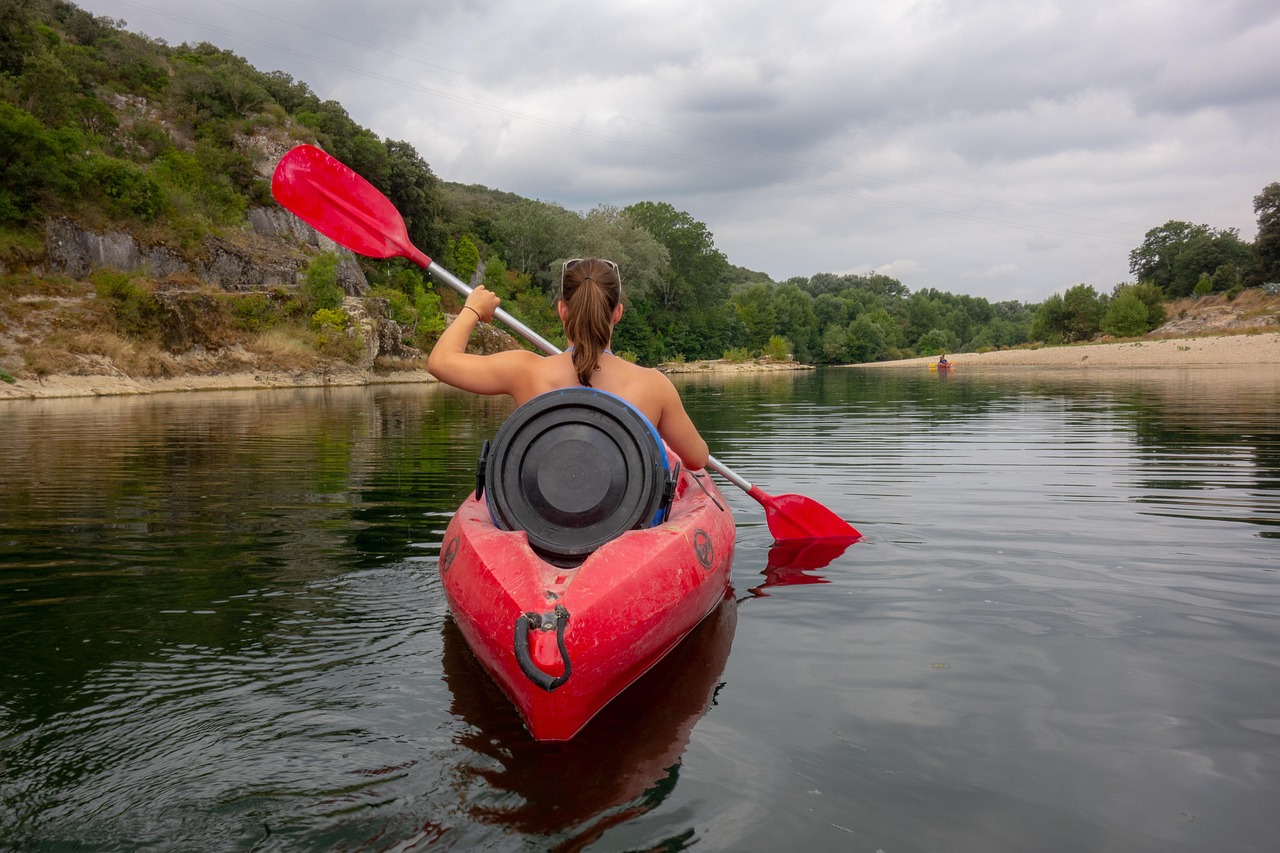
Credit: Pixabay, Barskefranck
Fitness Level for Watersports
One of the greatest benefits of watersports is the comfort level participants develop in and on the water, which can transfer to learning to scuba dive or vice versa. A moderate level of fitness and basic swimming ability are usually sufficient for most leisure watersports in calm to moderate conditions. However, there are situations where a higher level of fitness and experience are necessary.
Water conditions can change quickly. While wind is welcomed when sailing or windsurfing, it can be challenging when paddling or swimming. Even a light breeze can make paddling a kayak or canoeing into the wind difficult, especially in choppy water or large swells, and especially on sit-on-top kayaks. Beginners are advised to stay in shallow, protected areas and to rest when fatigued. Many resorts offer lessons for new watersport enthusiasts, and courses are often available from retailers that sell watersports equipment. The buddy system or group guided tours are even safer.
Wearing proper gear like life vests, and sometimes helmets and goggles, is recommended. According to the 2023 Life Jacket Wear Rate Observation Study, the national average wear rate for all adults in 2023 was 9.8%.
Combining Watersports Activities
Diving from a kayak has been offered since the late 1980s. Imagine surfacing from a dive in calm or moderate conditions and paddling back to the resort immediately. Adept paddlers may not feel much exertion, but others might feel challenged, experience exhaustion, and high levels of stress. Now imagine returning to the surface and discovering that the wind has picked up, as it often does in the afternoon. If a weather system is coming through, the situation requires an entirely different level of fitness and experience. If the kayak, paddler, and dive equipment capsize, the situation changes drastically.
According to the United States Coast Guard Recreational Boating Statistics 2023, rescue responses have increased with the popularity of watersports. Paddlesports were involved in 183 fatalities in 2023, a five percent increase from the previous year. This means paddlesports accounted for 32.5 percent of the total deaths reported in 2023, second only to open motorboats.
When diving with a powerboat or large sailing vessel, the elements can be somewhat overcome, even if climbing a boat ladder in six to eight-foot swells. Shelter from the rain and sun is often immediately available, along with rest and a surface interval, and emergency medical assistance, such as oxygen, provided by trained dive professionals.
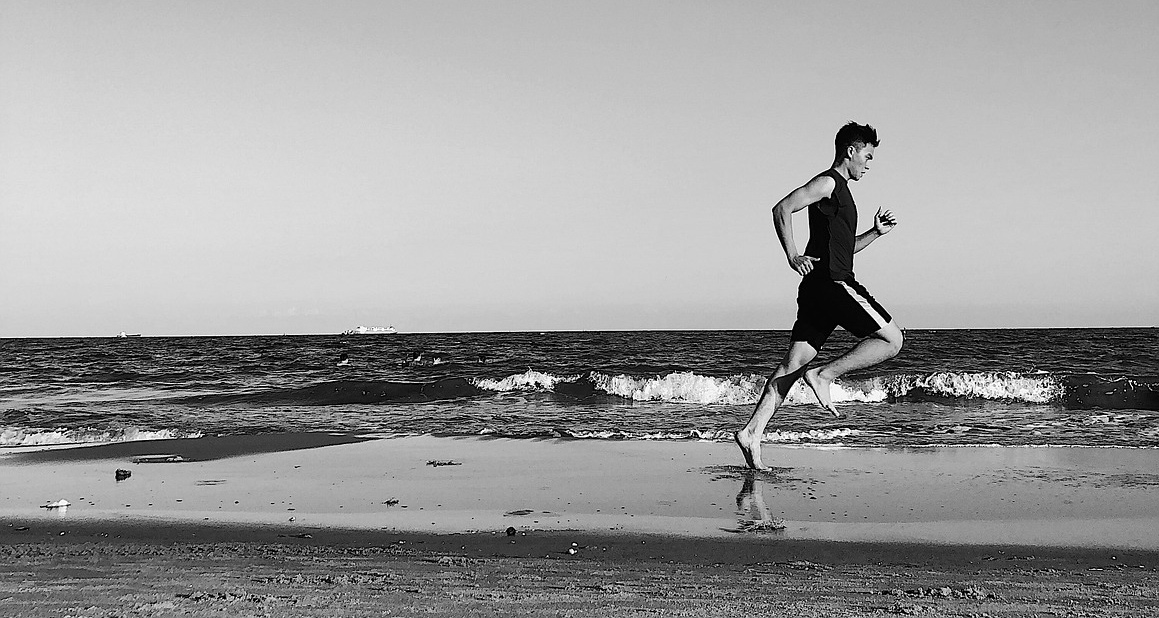
Heavy exertion should be avoided during and after diving to prevent possible decompression sickness. (Credit: Pixabay, trungbart97)
Type and Frequency of Scuba Diving
Participating in watersports often leads to learning to scuba dive, and some resorts combine these activities. Scuba diving or fishing from a kayak or paddleboard is a great way to explore. However, watersports enthusiasts might remember dive industry safety guidelines to avoid physical exertion for 24 hours after diving.
Some safety recommendations specify avoiding exertion for four to six hours after diving. Other certifying agency guidelines state that heavy exertion should be avoided during and after diving to prevent possible decompression sickness. Some studies suggest that aerobic exercise a few hours before diving might help prevent decompression sickness.
Considering factors such as age, fitness level, dehydration, summer temperatures, and alcohol consumption (often a part of vacation), along with physical exertion, certainly the most conservative recommendations are minimal to no physical exertion for 24 hours before or after scuba diving. If the purpose of travel is a diving vacation, focus all positive energy and activity on scuba diving and don’t compromise it. Train on land for the appropriate level of physical fitness before the diving trip and for the type and conditions of diving. When participating in other watersports, train on land for those too. Developing the skills for a watersport activity is different from the strength, endurance, and aerobic capacity needed for participation in watersports or any recreational activity. On dive vacations, the non-diving days particularly before flying, are perfect for a hike or trying watersports activities. Non-activity (with the exception of a leisurely walk or float in the pool) might be the best recommendation for free time on diving days, especially if participating in multiple days of diving and several dives per day.
Story by Gretchen Ashton, ScubaFit.com