The Maldives is a string of coral atolls and islands stretching from north to south over a large expanse of the Indian Ocean. When viewed from the air, these islands are strikingly beautiful with their turquoise bays surrounded by deep, dark blue ocean waters. In fact, according to Maldivian folklore, after God finished creating the world, He was so overcome by the incredible beauty of His creation that He started crying. His tears fell into the vast Indian Ocean, and where they landed, they formed the sparkling ring-shaped coral structures known as atolls.
Words & Photos by Michael Salvarezza and Christopher P. Weaver
For divers, the Maldives offer almost limitless adventure. Dazzling coral reefs, dramatic walls and dropoffs, mysterious shipwrecks and the opportunity to encounter large, pelagic creatures are all part of the underwater Maldivian menu. For many, the very best way to experience the Maldives’ underwater realm is on a liveaboard. Indeed, there are more than 50 liveaboards that ply these waters, offering varied itineraries and experiences. The Duke of York and the Conte Max are two such operators that provide divers the chance to explore the best of the Maldives in comfort and style. For underwater explorers, the daily routine of eat, sleep and dive aboard these boats provides the best opportunity to maximize their time underwater and the flexibility of a liveaboard gives the guests a chance to venture far and wide and reach destinations out of reach for land-based operations.
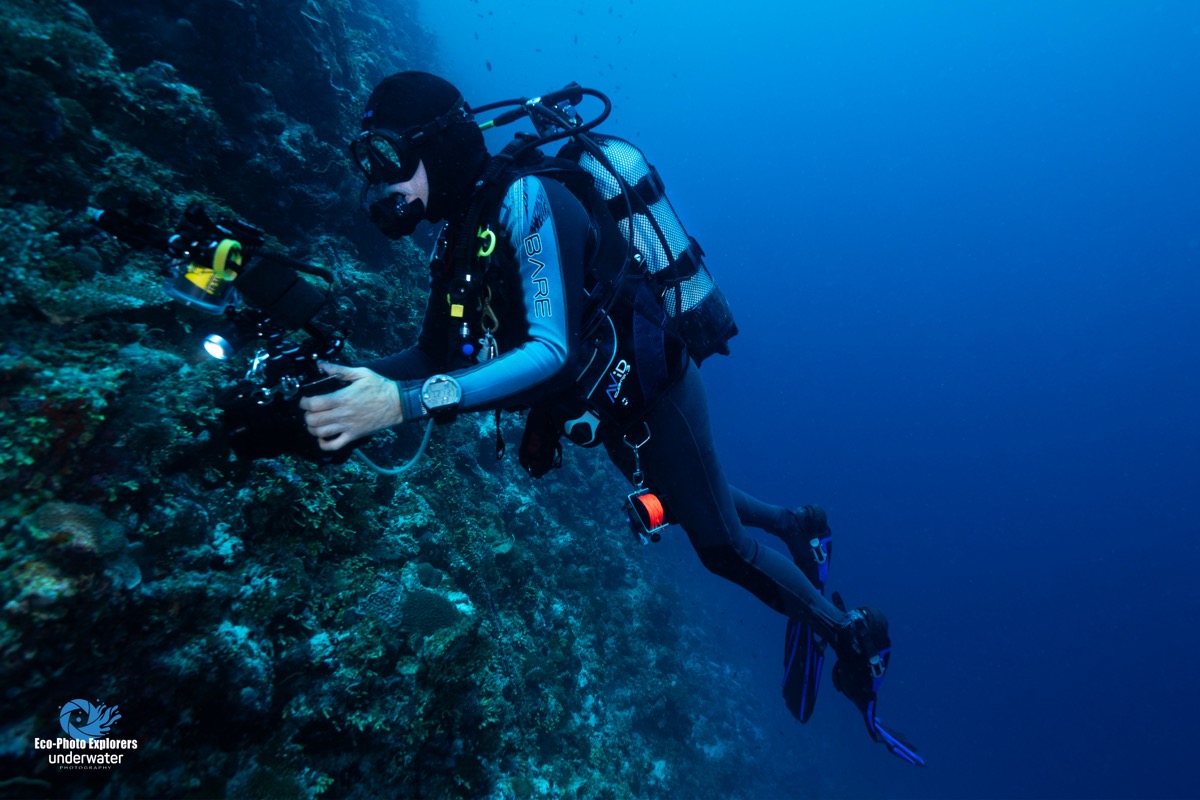
Author Christopher weaver explores a thila wall
But for travelers from the United States, getting to the Maldives is quite a journey in and of itself. Air travel to this nation often involves multiple flights across numerous time zones. The elapsed time can stretch over 24 hours (or, to use a different unit of measure, 10 movies). Divers arriving in Male, the capital city, are often sleep deprived, slightly disoriented, possibly dehydrated and most definitely jet-lagged. Getting onboard a liveaboard immediately after arriving and possibly gearing up for the first dive of the trip may not be the best thing for some divers. An alternative is to seek land-based accommodations in order to acclimatize, rest and prepare for the diving adventures to come.
An interesting option with a serious commitment to sustainability is the Ecoboo resort.
Ecoboo is a fully sustainable, eco-friendly resort on the island of Thinadhoo (pronounced “tin-a-doo), located in the Vaavu Atoll in the central atolls region of the Maldives. This resort has a unique story to tell and provides the ideal spot for divers to refresh and recharge after their long journey to the islands.
Reachable from the Velana International Airport in Male via a 1 ½ hour speedboat ride, Thinadhoo is a small island with only a few coral sand roads, no vehicles and a few shops and accommodations. Ecoboo is a short five-minute walk from the island’s marina. This resort was built entirely from the very eco-friendly wood of bamboo, 45km of bamboo to be exact. The rooms, restaurants, social areas and guest registration all feature the striking bamboo décor. Nestled comfortably within the island’s vegetation, the vibe of the resort is very much luxury campsite. The water used is sourced sustainably and waste water is reclaimed and utilized for various purposes onsite. Electricity comes fully from solar power. None of these efforts compromises on quality and the guest experience is quite memorable. With a nice beach, good snorkeling and a barefoot approach the resort provides every amenity needed to satisfy the weary traveller.
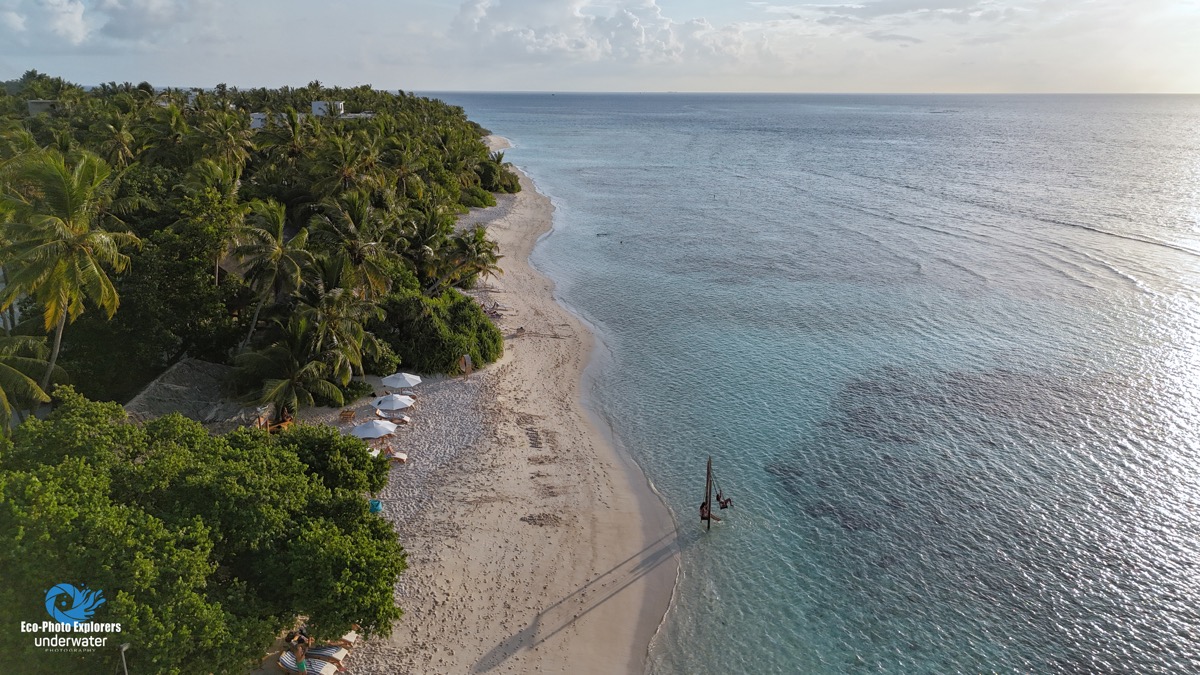
The beach at Ecoboo
On Thinadhoo, there are several dive operations which can take divers to the nearby reefs and dive spots in the Vaavu Atoll. As we worked on our jetlag, we arranged several dives with Thinadhoo Maldive Dive. The shop is a short 5-minute walk from Ecoboo and they provide flexible, friendly service for guests on the island.
Using a traditional Maldivian Dhoni as the dive boat, we headed out on our first dive to a site known as Miyaru Kandu. This is a channel between two islands that can feature screaming currents. Divers situate themselves on the reef using a reef hook and watch as the flowing ocean water brings sharks, rays, barracuda and jacks through the pass. This was an exhilarating first dive!
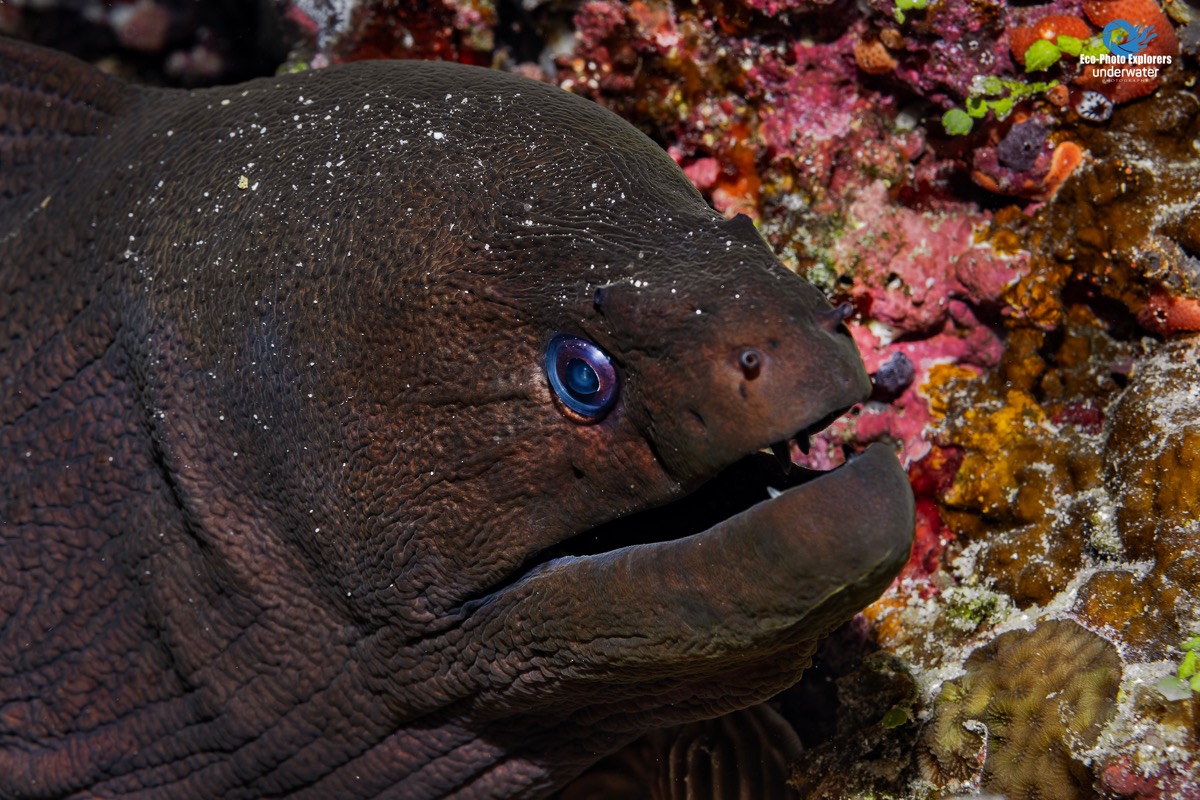
The second dive was more sedate. We explored a dramatic wall known as the Aara Outer Wall and moved gently down the reef with the aid of a very mild current. Clouds of orange and red colored Anthias swarmed on the coral heads, along with large schools of Brown and White Butterflyfish. Poking out of a coral head was a Giant Moray, menacing but harmless. The reef wall was alive.
These two dives served to wake us up, introduce us to Maldivian diving and stoke our appetite for the adventures to come.
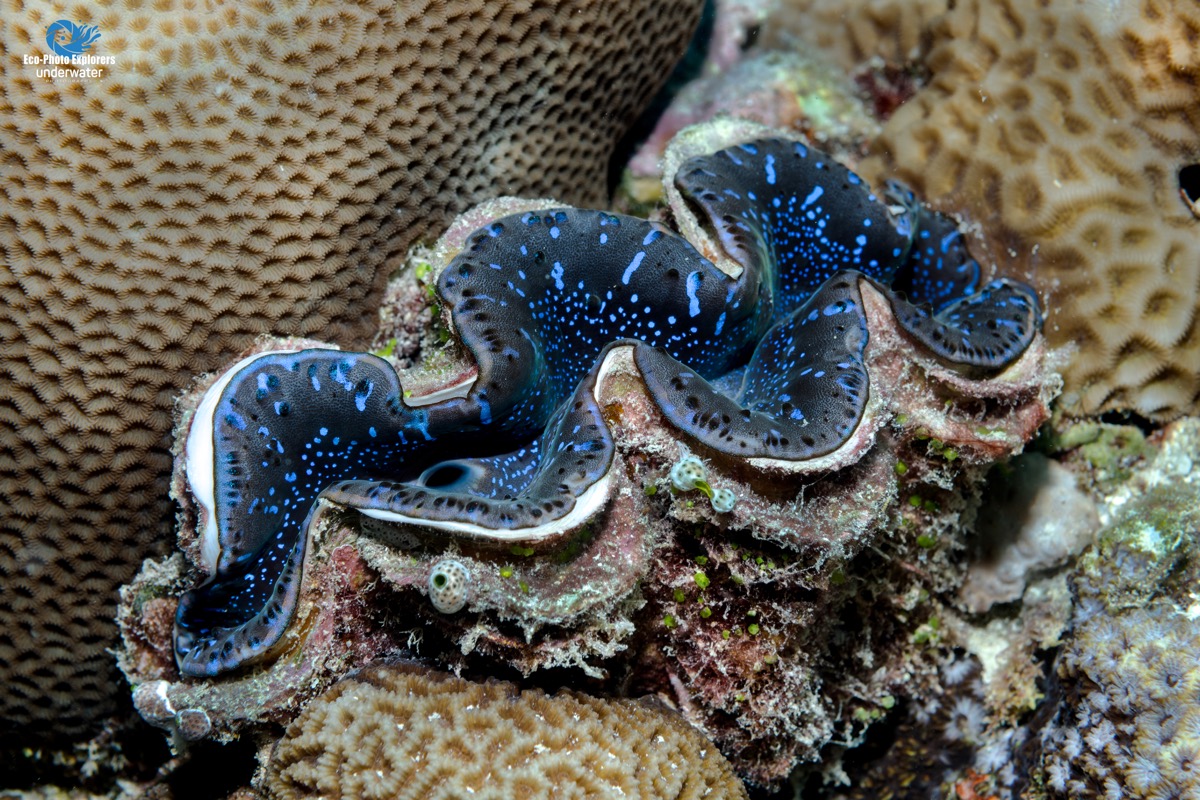
Tridacna Clams have brilliantly colored mantles
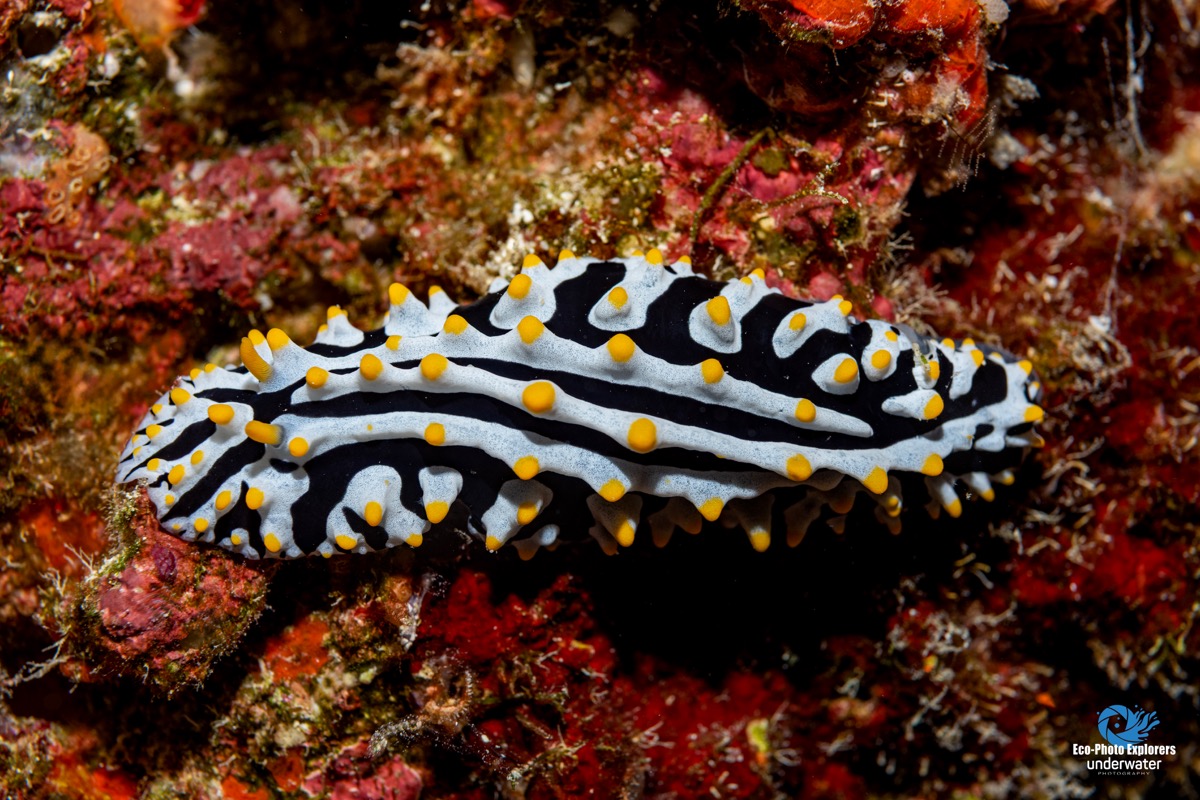
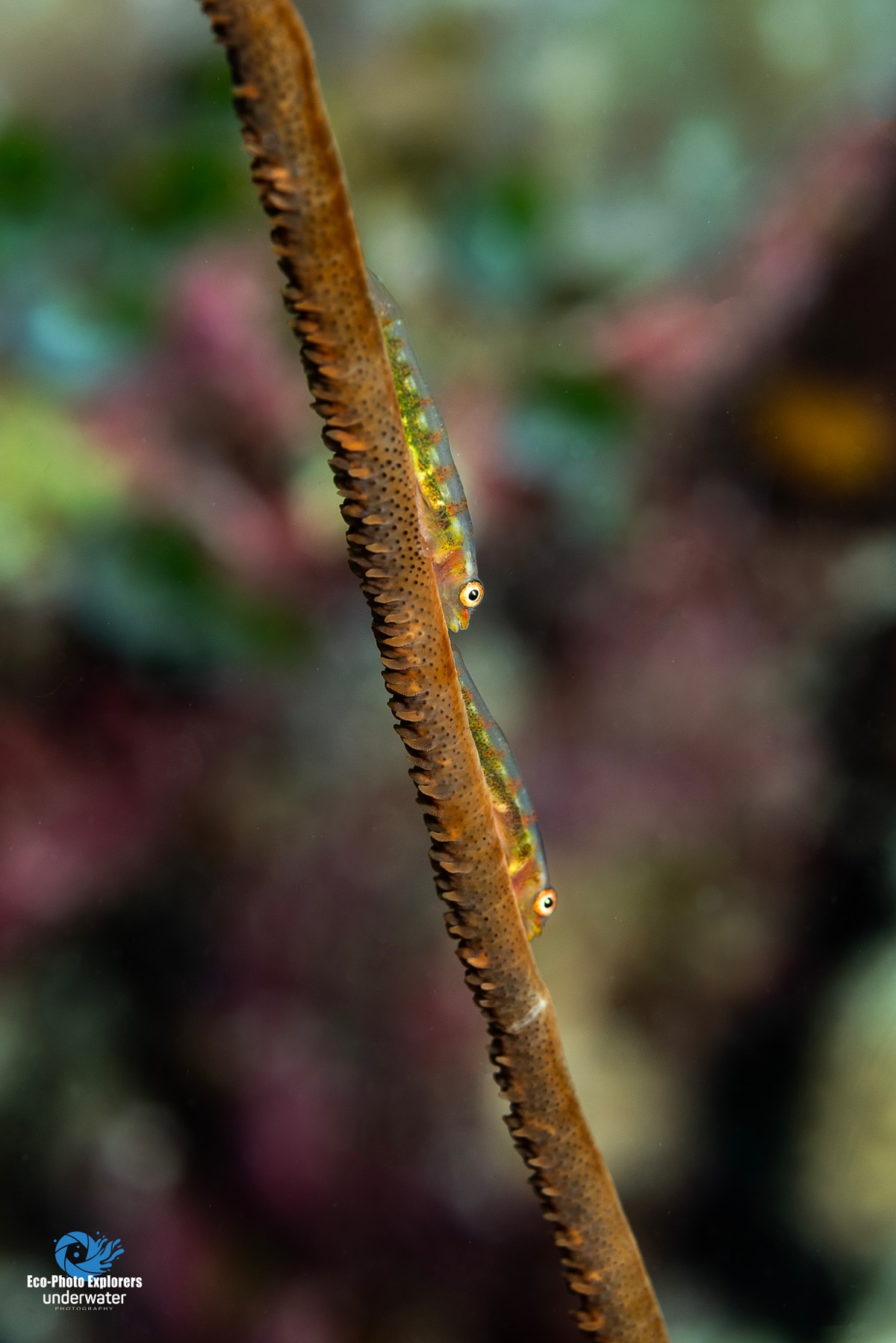
Our second day of diving brought us to a site known as Dhigga. Healthy stands of hard corals greeted us as we descended to 60 feet (20 Meters) in a mild current. With water temperatures hovering around 85 degrees Fahrenheit, we were quite comfortable in our 3mm wetsuits. At this site, we spotted the eye-catching Royal Angelfish poking around the corals while dozens of Redtoothed Triggerfish sought safety by pushing their heads into coral crevices. Amusingly, their tails remained visible to any predator that might be interested – the proverbial burying of the head in the sand. Dhigga was also a great macro site and here we photographed Nudibranchs, starfish and shrimp. Looking closely, we found a pair of Large Whip Gobies on a strand of Whip Coral. Nearby, a Maldives Blenny nervously flitted atop a coral head.
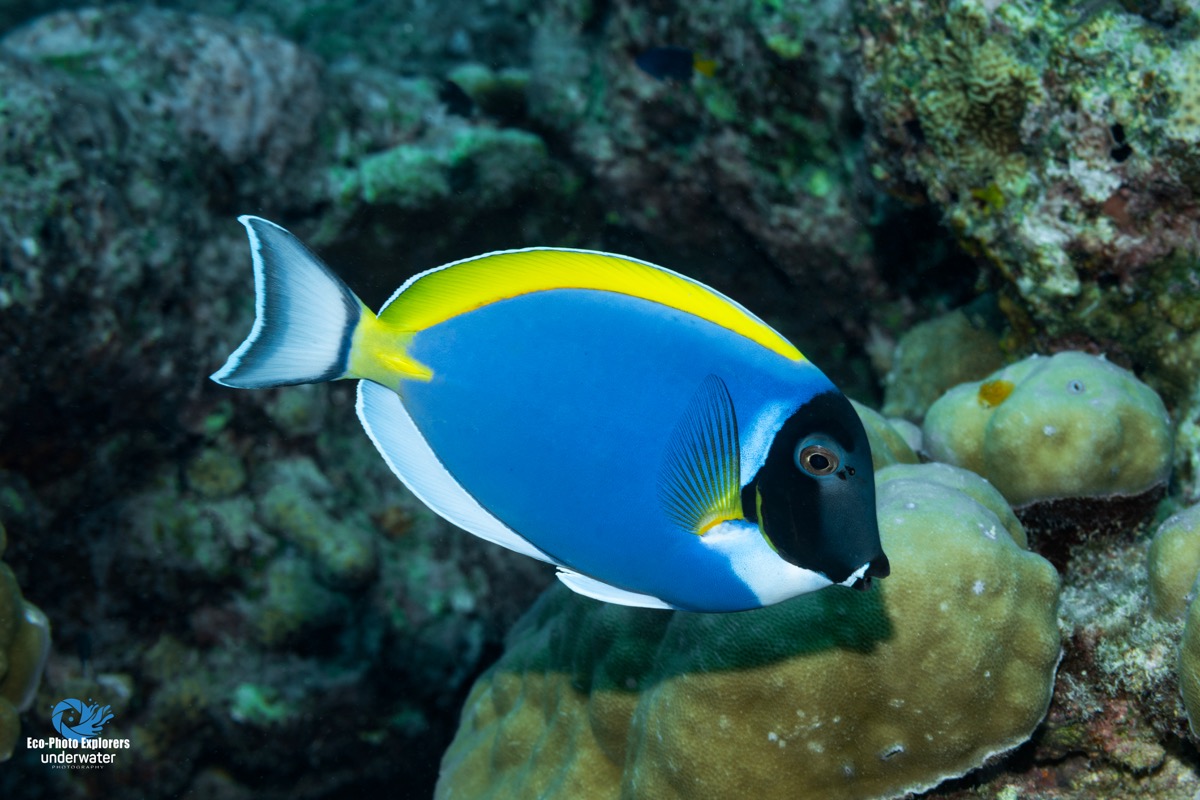
Our final dive at Thinadhoo was at a site known as Madiparu. Here, more impossibly colorful fish garnered our attention: Map Pufferfish, Clown Surgeonfish, Powder Blue Surgeonfish and Emperor Angelfish were a few of the many varieties of nature’s versions of modern art that we found swimming along the reef.
We surfaced to a drenching monsoonal rain, a harbinger of the autumn weather in the Maldives. But as we say in diving: You’re gonna get wet anyway!
Our brief stay at Ecoboo gave us a much-needed chance to catch our breath, get used to the time zone and shake the cobwebs off our diving skills. We rested, relaxed and experienced the best of Thinadhoo diving. It was now time to board the speedboat back to Male and catch the seaplane over the Duke of York liveaboard for a safari to the Northern Atolls. And after our respite at Ecoboo we couldn’t be more prepared!
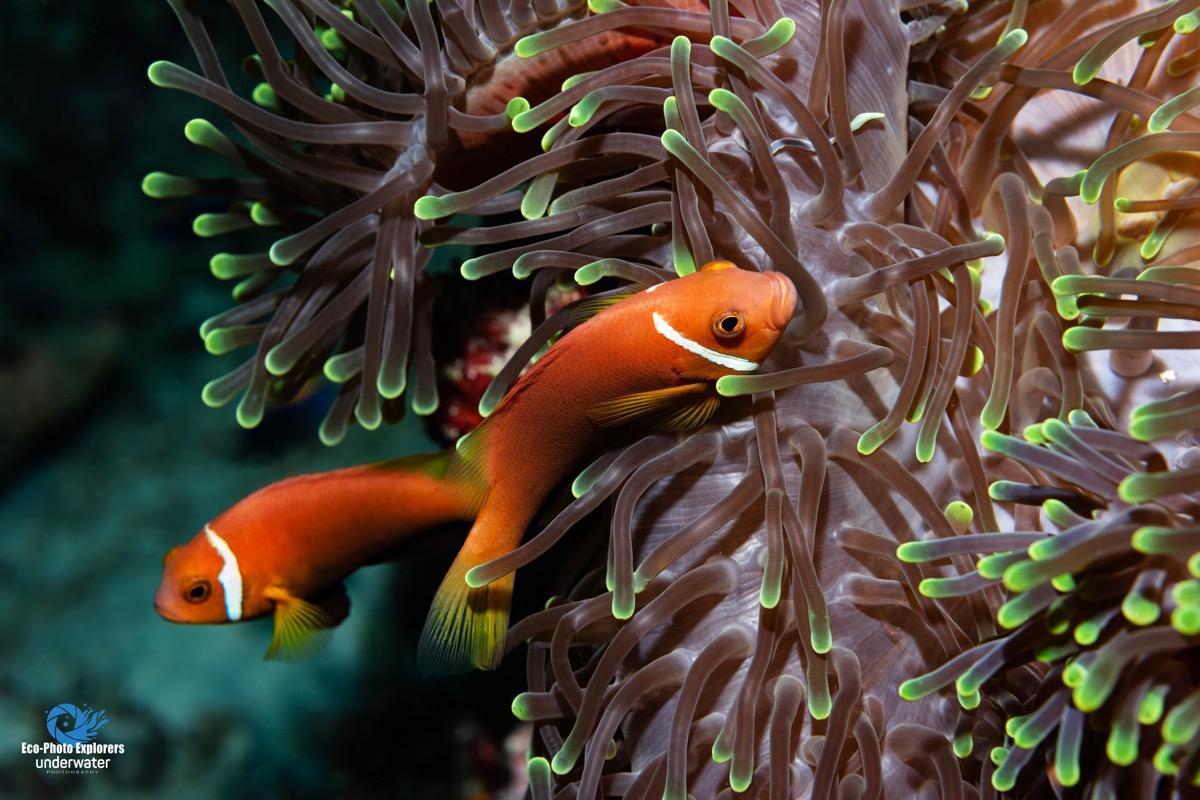
A Pair of Maldives Anemonefish
Getting There
The only international airport is located on the main island of Male. It is serviced with direct flights from Doha, Dubai, Colombo (Sri Lanka) and a few other destinations.
Visitors to the resort islands will next board speedboats or seaplanes depending on the location and distance of the resort. Check with your resort for arrangements. Many of the upscale resorts have comfortable lounges at the main airport where visitors can relax while waiting for transfers. Tours of Male can be arranged if the transfer time is longer than a few hours in duration.
There are domestic flights available on Maldivian Airlines and Manta Air for atolls in the south and north.
Liveaboard dive boats, such as the Duke of York, will arrange pickup right at the docks alongside the airport.
A valid passport is required for entry. Visas are not required.
When to go
The Maldives has an equatorial tropical climate. December through April is the dry season. February through April is the hottest time of the year, with temperatures in the 80s and 90s Fahrenheit each day. May through November is the rainy season.
Currency
The local currency is the rufiya (Rf) but US Dollars and Euros are generally accepted at all resorts.
Electricity
Power voltage used in the Maldives is 220 Volts to 240 Volts (50 Hz). Be sure to double-check your appliance’s compatibility before plugging them in. Converters / adaptors are usually available upon request at your hotel front desk.
Customs
The Republic of the Maldives is a strict Islamic nation. Alcohol, firearms, pornography, pork, narcotics and “idols of worship” are among the prohibited items.
Because of the concern over evangelists spreading their beliefs within the country, attention is paid to religious items. A small crucifix, worn as jewelry, is unlikely to be a problem but a suitcase with several Bibles will likely create concern!
Words & Photos by Michael Salvarezza and Christopher P. Weaver
-
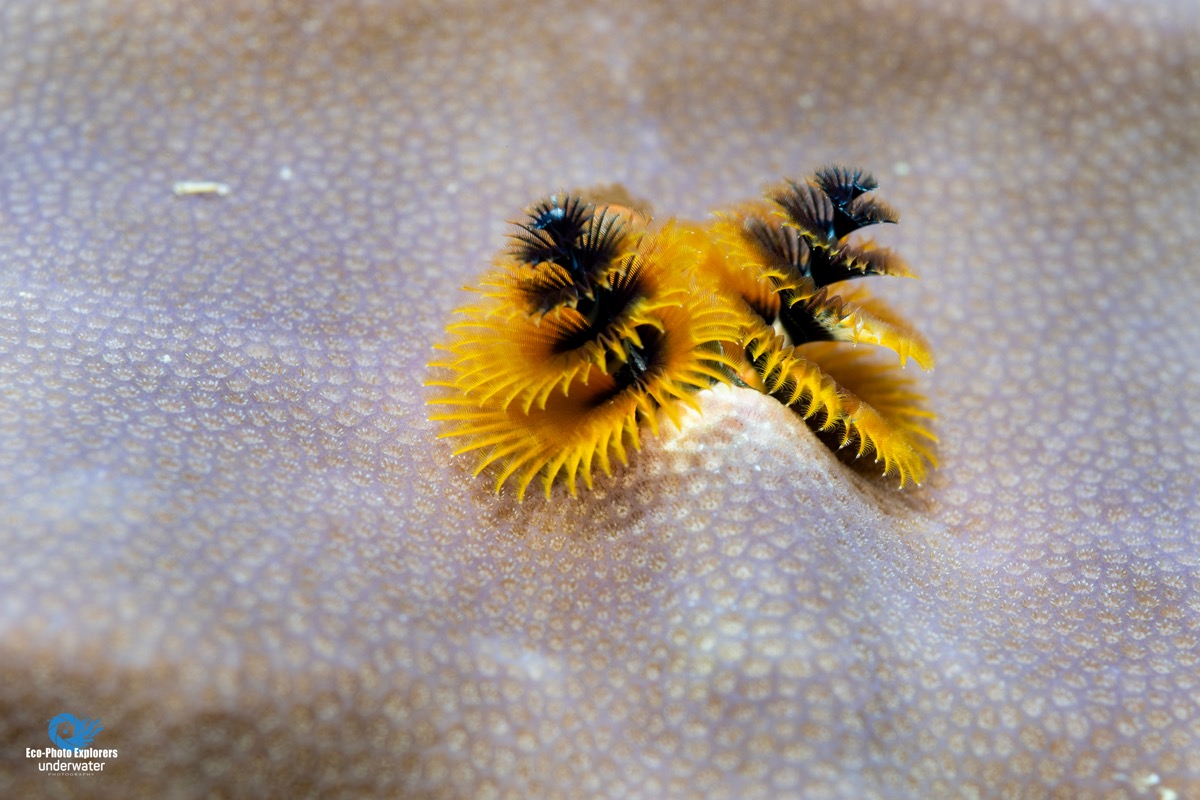
- Christmas Tree Worms on a coral head
-
- Whitetip Soldierfish
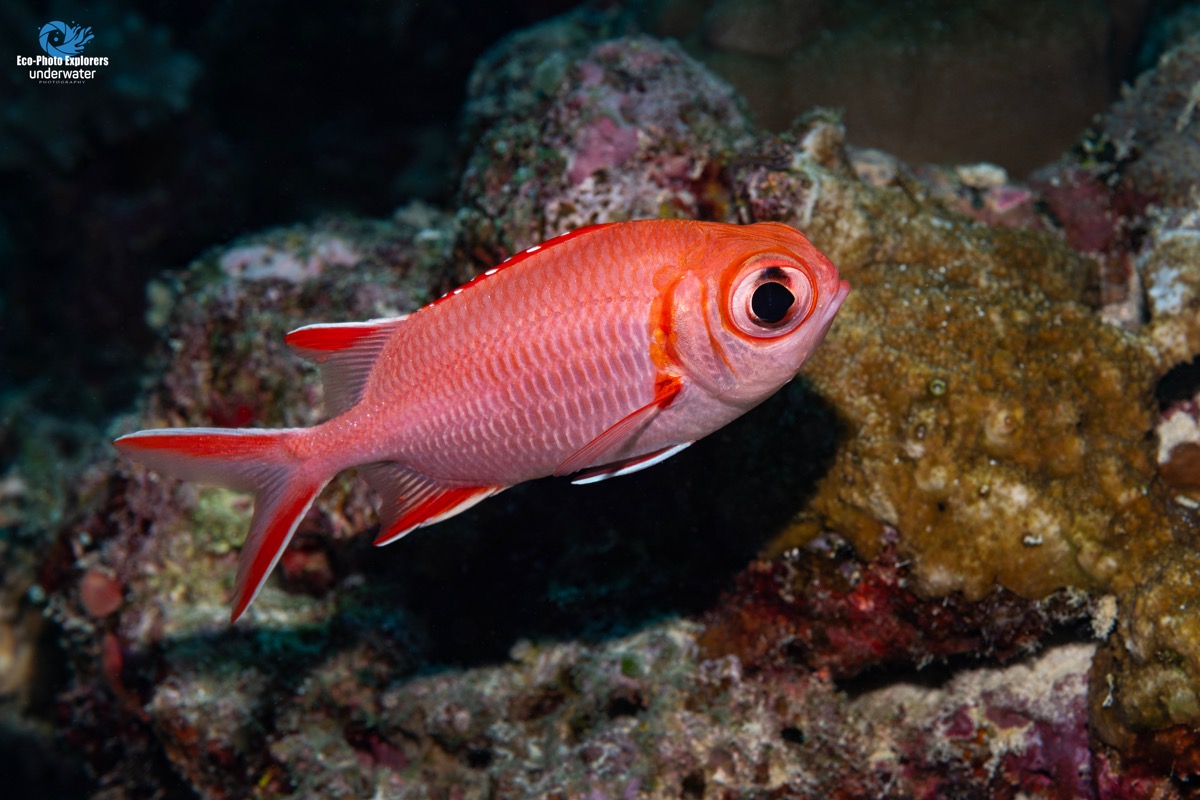
-
- A Pair of Maldives Anemonefish
-
- Author Christopher weaver explores a thila wall
-
- A Giant Moray eel
-
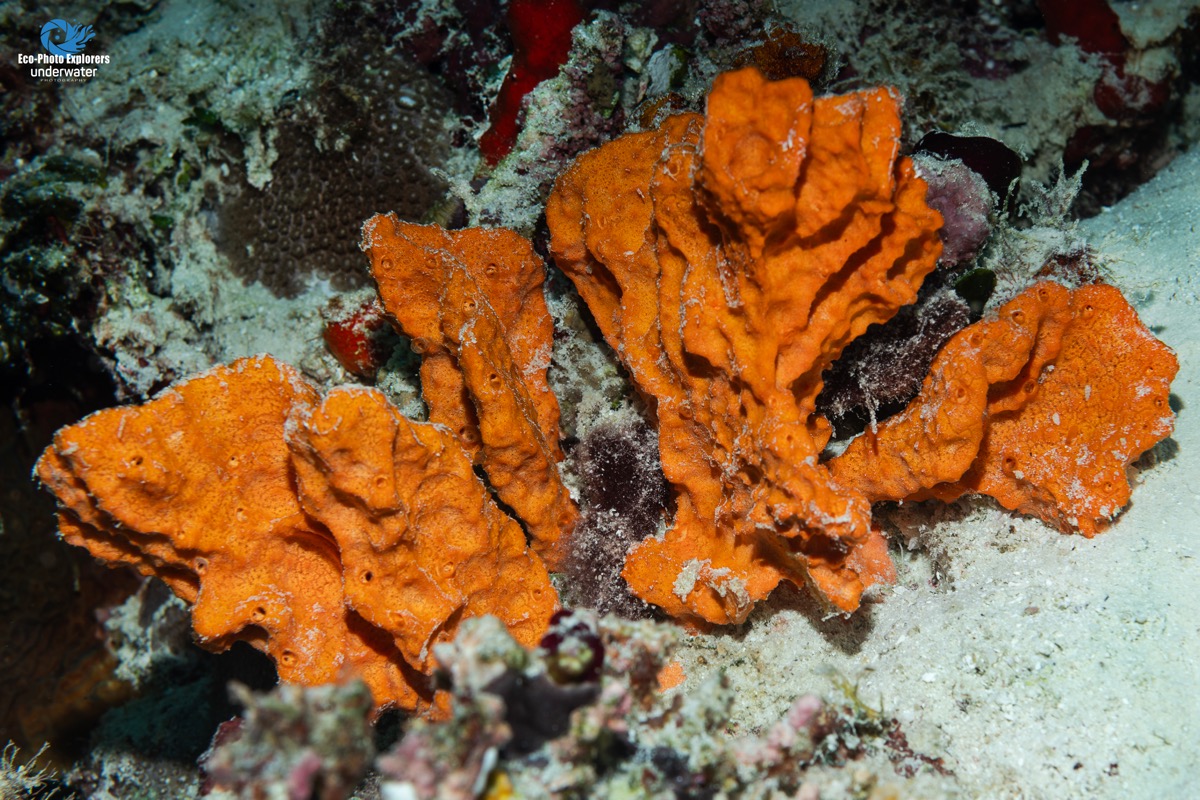
- Thriving Sponges and corals indicate a healthy reef
-
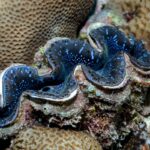
- Tridacna Clams have brilliantly colored mantles
-
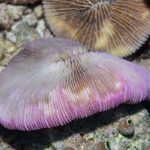
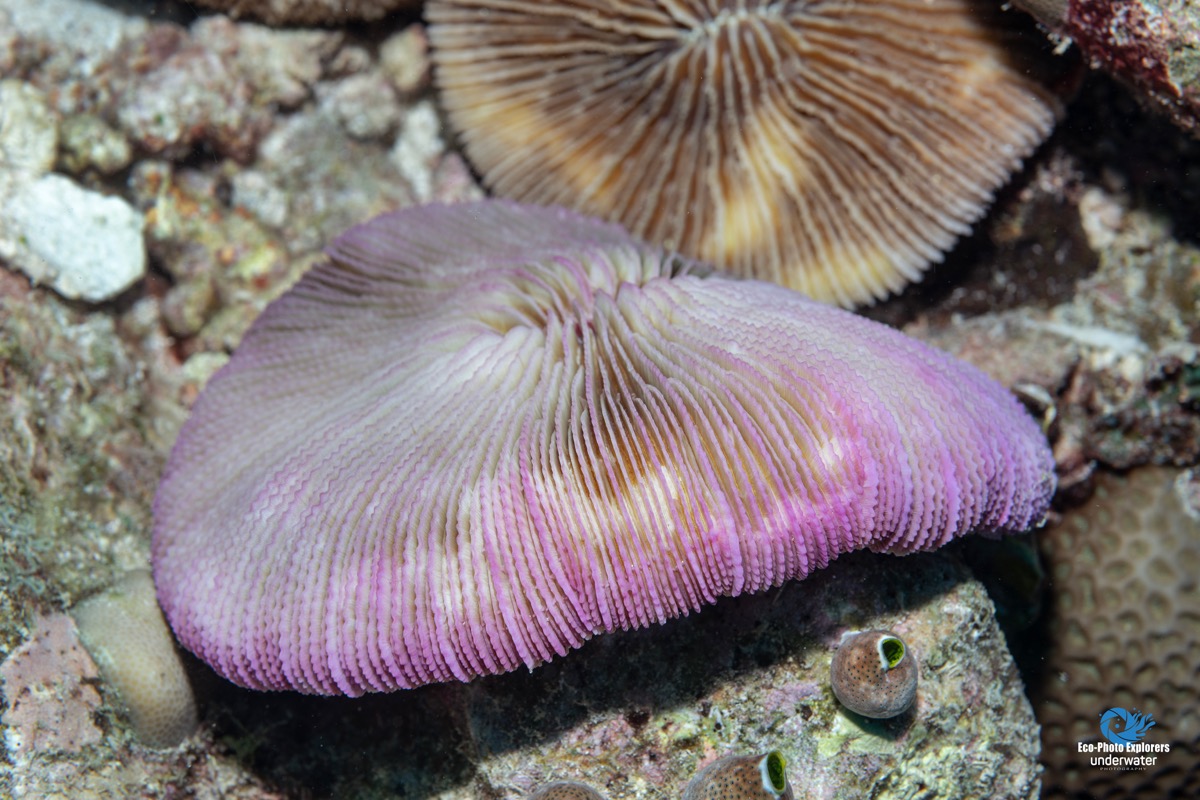
- Common Mushroom Coral is a solitary free-living stony coral
-
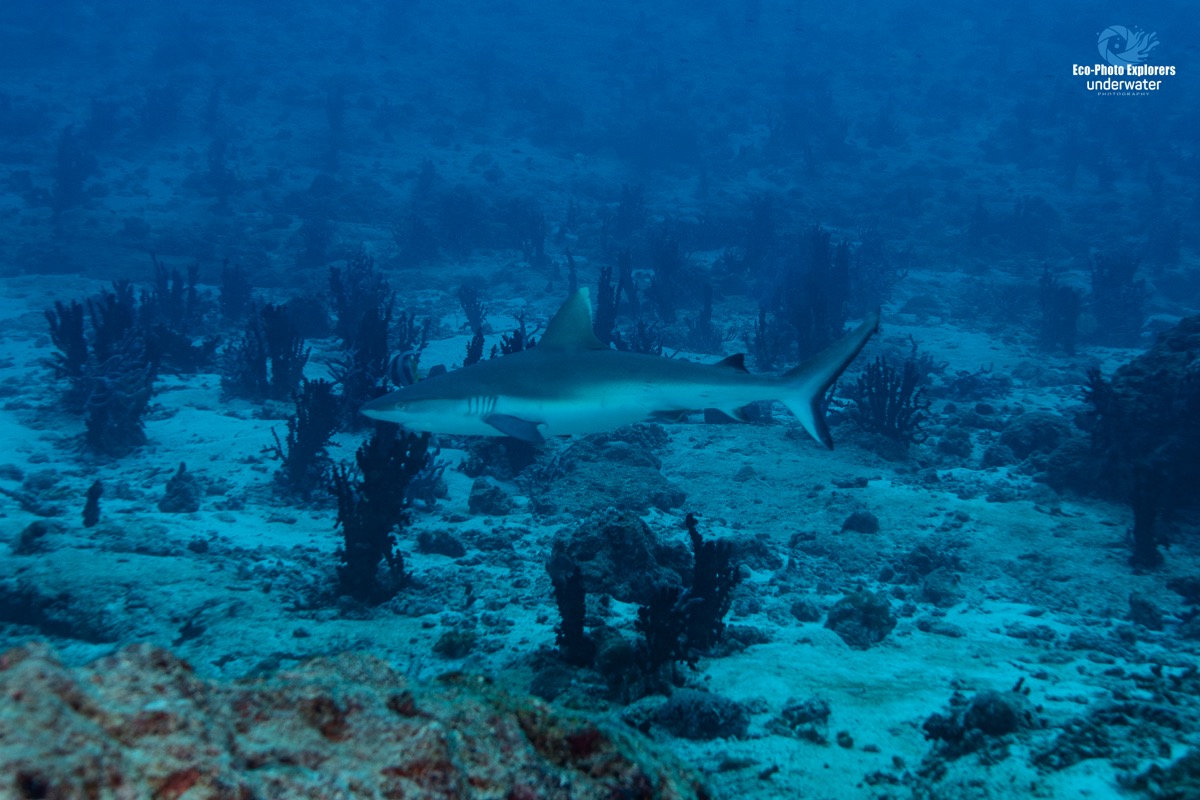
- Blacktail Reef Shark patrolling the reef
-
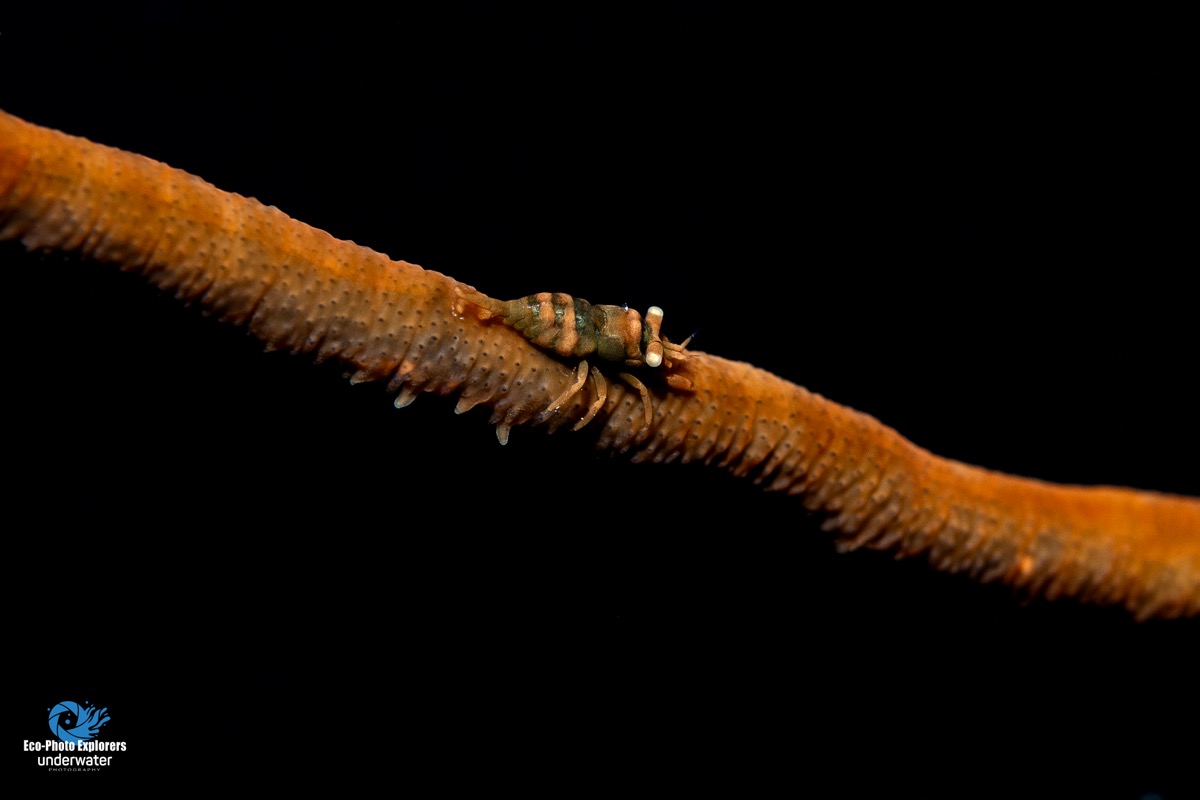
- The tiny Zanzibar Whip Coral Shrimp is difficult to spot
-
- The beach at Ecoboo
-
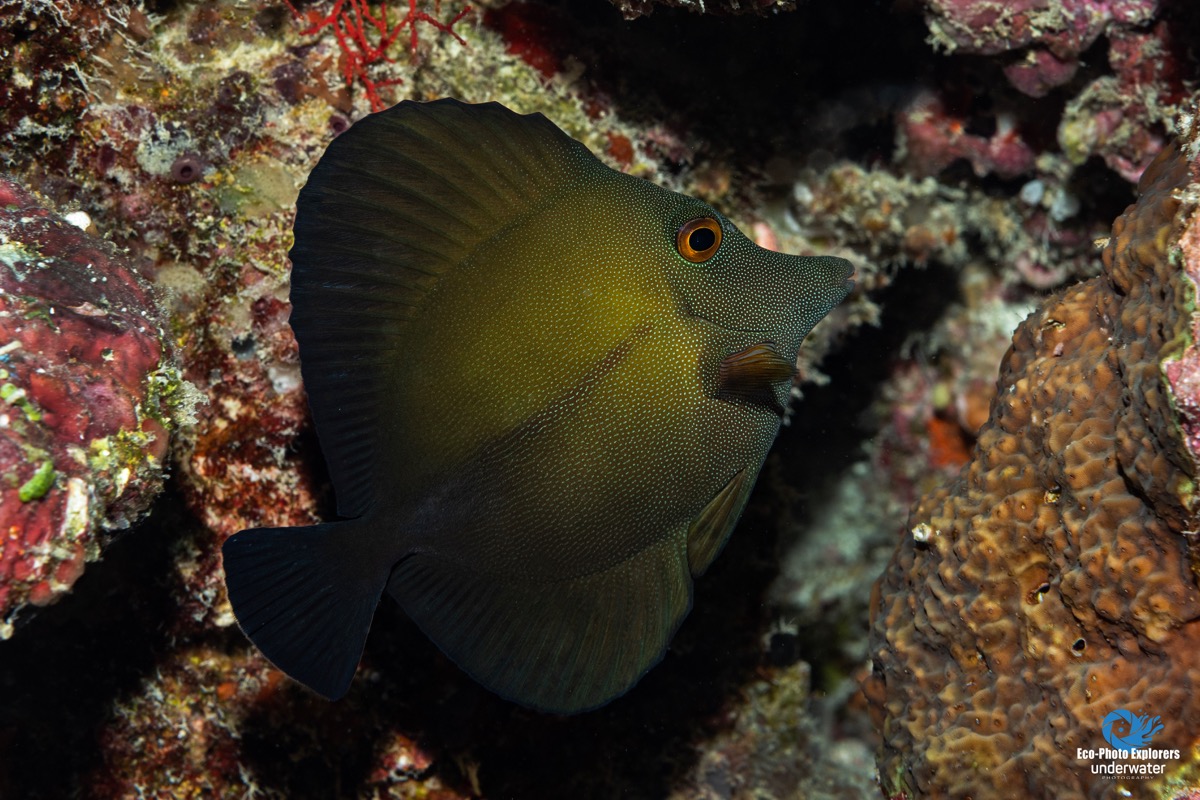
- Scopas Tang
-
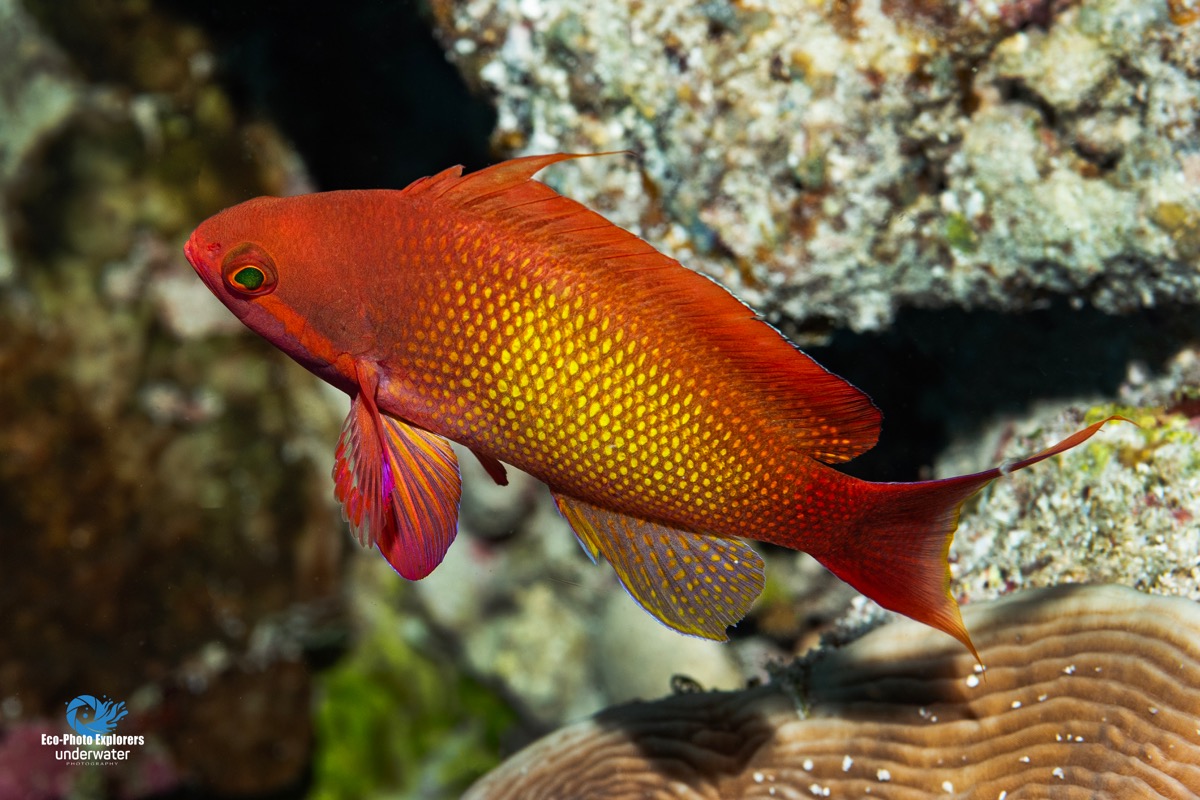
- A Lyretail Anthias, also known as a Sea Goldie
-
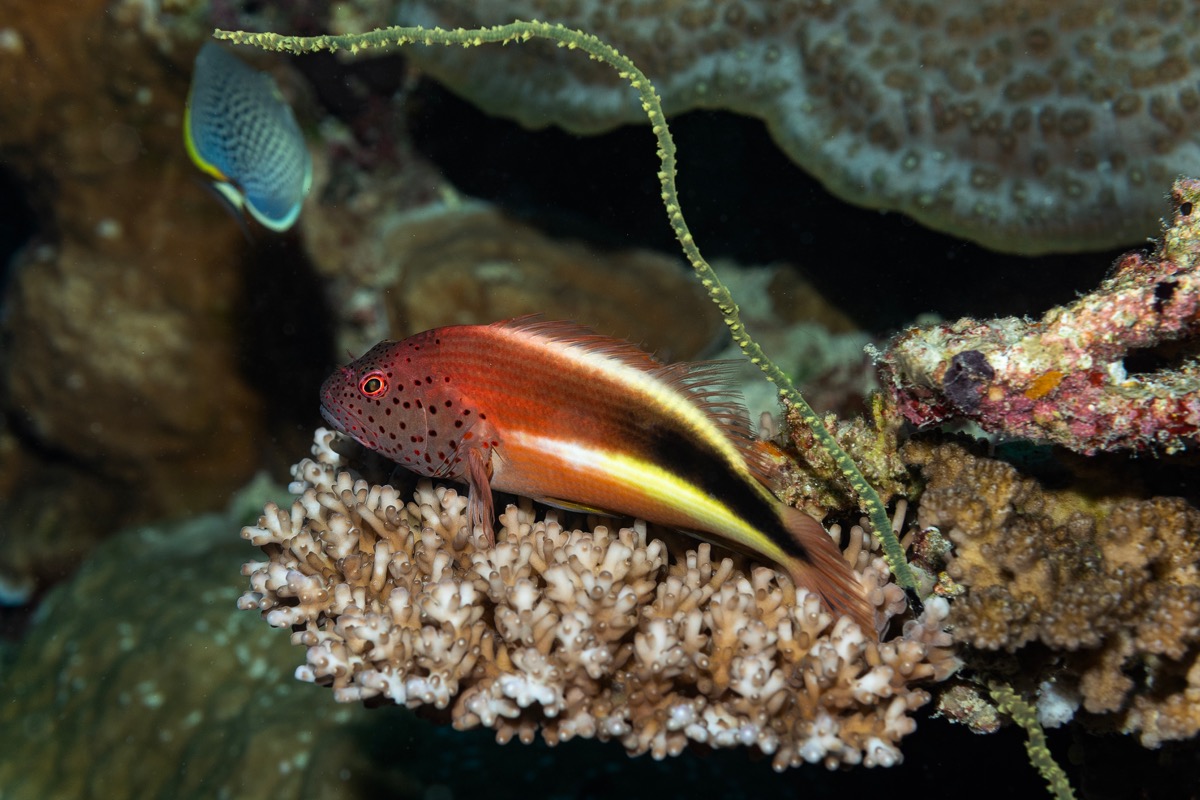
- A Forster’s Hawkfish perched on a coral head
-
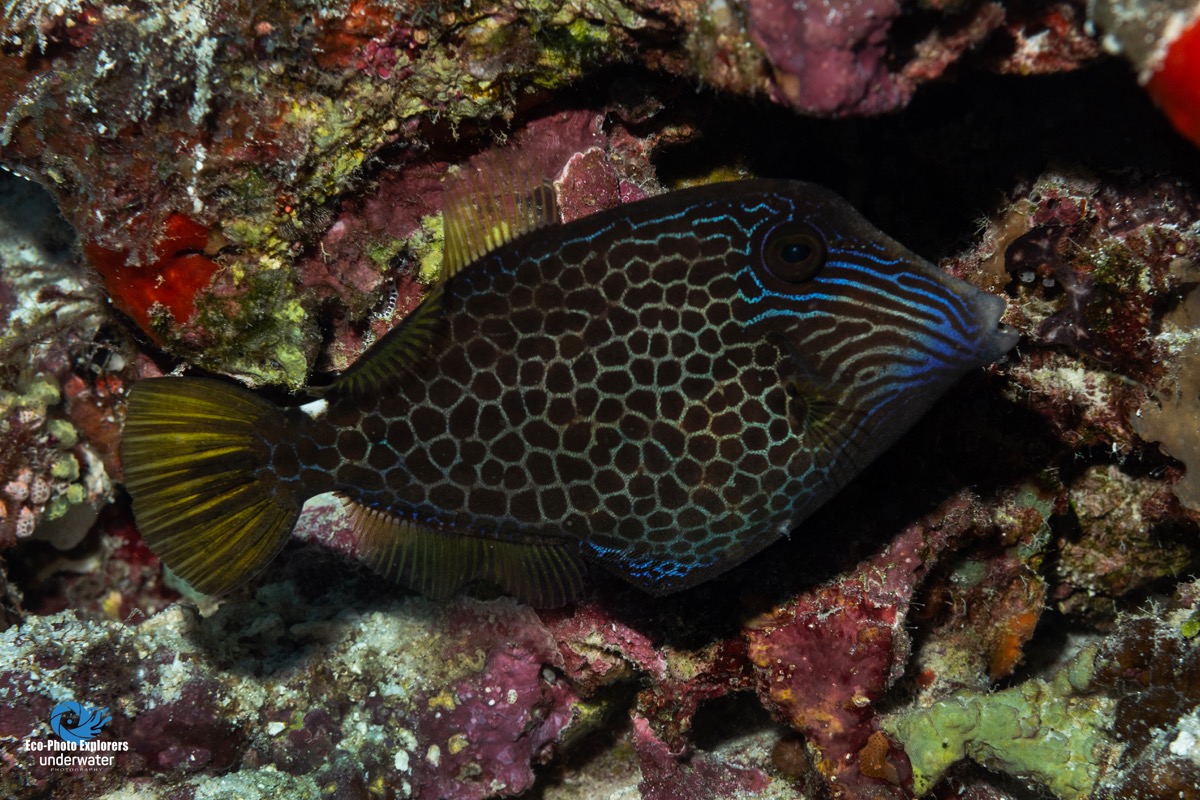
- Honeycomb Filefish on a Maldives reef
-
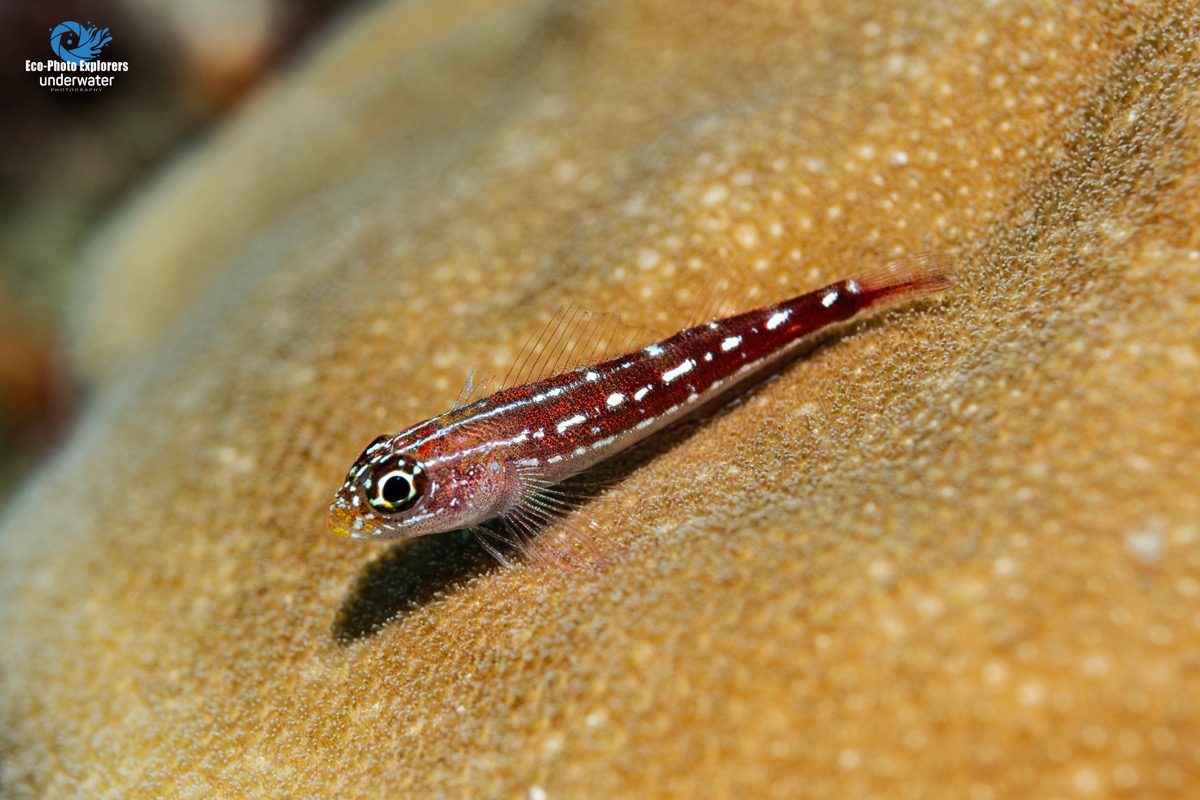
- A Maldives Triplefin on a hard coral
-
- The Powder Blue Tang is a striking resident of the reefs
-
- A pair of wire-coral gobies resting on a whip coral frond
-
- Nudibranchs are one of the prized quarries for macro photographers