If you’ve ever owned an aquarium, you know that keeping the water clean is of paramount importance. Elaborate, sometimes very expensive filtration systems are employed to continually clean the water, removing debris and keeping the ecosystem in your tank healthy. Without the filter, the fish will eventually die as the water becomes dirty and polluted.
While the ocean is massive, and the volume of water immense, there is a filtration system in the ocean that functions just like the filter in your home aquarium. And it is often overlooked by divers exploring reefs and other ocean environments.
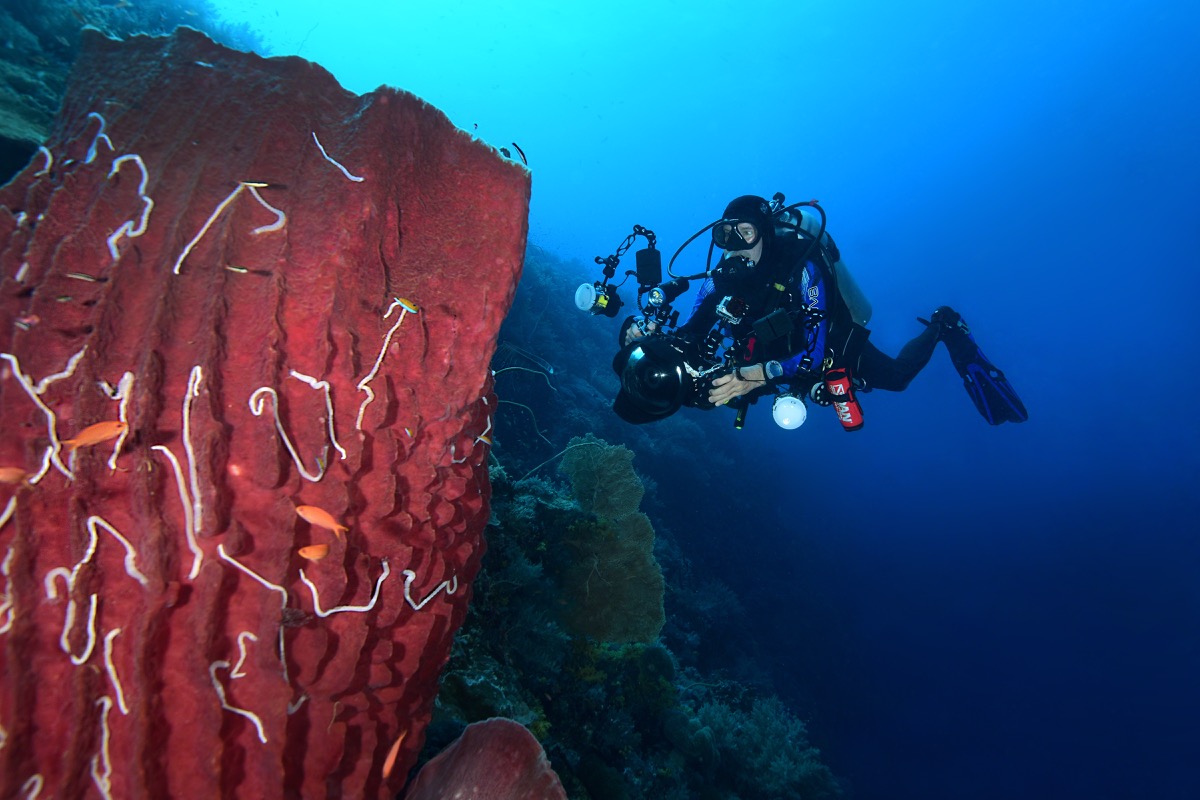
Author Christopher Weaver photographs a barrel sponge
Words & Photos by Michael Salvarezza and Christopher P. Weaver
To understand how this system works, we must learn more about the creatures we see all the time while diving: sponges, tunicates and bivalves.
These three families of organisms work continuously to clean the ocean by ingesting the surrounding water, removing particles and small debris and then expelling clean water. How do these creatures benefit from doing this work? Well, of course, they get food from the debris they are processing. It’s a simple concept but one the ocean, and the life in it, depends upon.
Let’s take a closer look at these unassuming creatures and examine the work they do in greater detail, starting with the sponge.
Sponges are multicellular organisms, usually with tube-like bodies full of pores and channels that allow water to circulate through them. There are between 5,000 and 10,000 species of sponges and they can be found in all the world’s oceans. Scientifically, they constitute the phylum Porifera and are defined as sessile metazoans (multi-celled immobile animals). Almost all sponges have water intake and outlet openings connected by chambers lined with cells with whip-like flagella (choanocytes). Some sponges are carnivorous, however, and have lost these water flow systems.
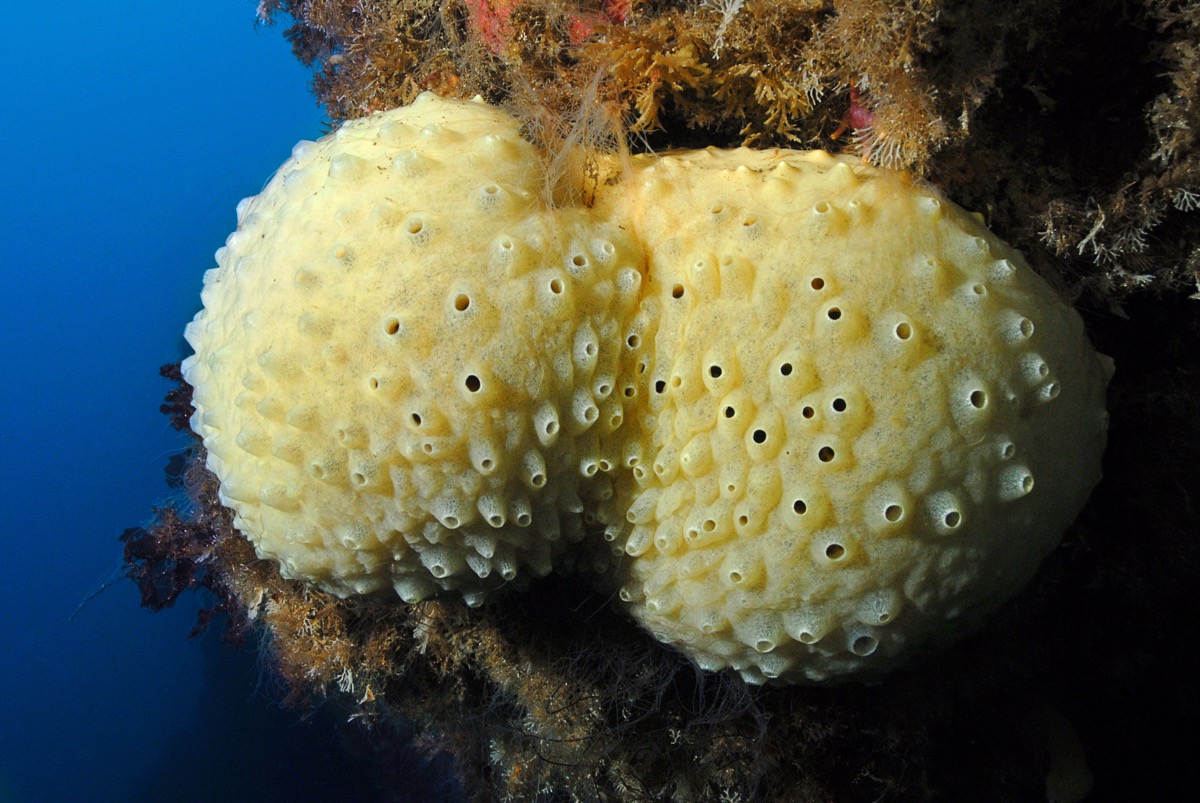
Iceland: Yellow Boring Sponges, like these from Iceland, are found throughout the world’s oceans
Sponges don’t have eyes, brains or a heart but they are classified as an invertebrate animal. Miraculously, they can regenerate from pieces cut from the main organism. And some of them move, albeit very slowly, in search of more food or a better place to attach themselves to.
Sponges do not have a circulatory system, nor do they have respiratory, digestive or excretory systems. The water flow system provides these functions. They filter food particles out of the water flowing through them and the choanocytes capture and consume 80% of the sponge’s food supply, with the rest being trapped and digested by other parts of the sponge’s tissue.
Sponges in temperate and cold-water regions live for several years but some tropical species may live for 200 years or more. While many species thrive in shallower depths, some species have been found in the deepest parts of the ocean, including the Philippine Trench at 32,800 feet.
On coral reefs, many divers are familiar with the Giant Barrel Sponge (Xestospongia muta). This is the largest species of sponge found growing on Caribbean coral reefs. It is common at depths greater than 33 ft down to 390 ft and can reach a diameter of 6 feet. It is typically brownish-red to brownish-gray in color, with a hard or stony texture.
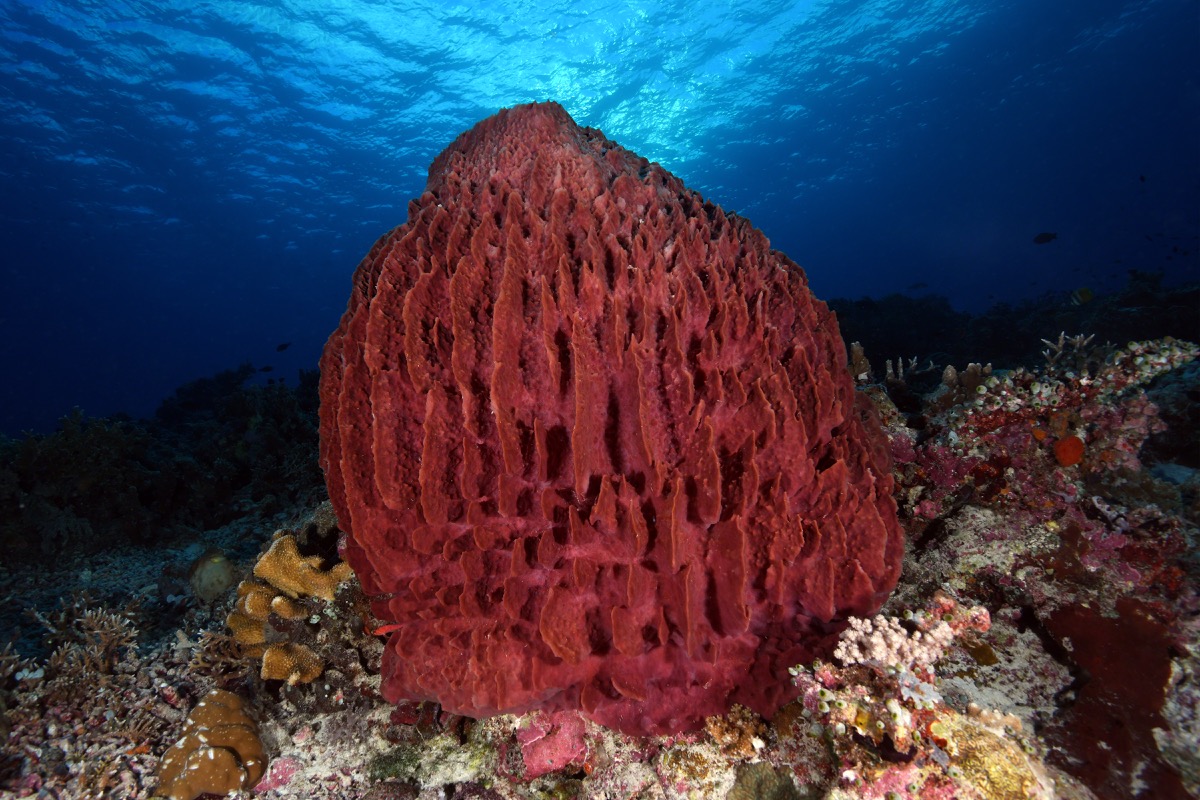
The presence of large Barrel Sponges on the reef is an indicator of reef health
The giant barrel sponge has been called the “redwood of the reef” because of its large size and its long lifespan, which scientists believe can be more than 2,000 years.
There are so many varieties of sponges that it would be difficult to list all of them, but some of the commonly seen species in the tropical Atlantic include the Yellow Tube Sponge (Aplysina fistularis), the Stove-Pipe Sponge (Aplysina archeri), the Azure Vase Sponge (Callyspongia plicifera) and the Red Boring Sponge (Cliona delitrix).
In the tropical Pacific, there are over 3000 species of sponges described and many of them are similar to those in the Atlantic.
Indeed, look virtually anywhere on the reef, in lakes, on cold water shipwrecks and any other type of underwater environment and you are likely to find a sponge, one of nature’s most important filter feeders.
Another organism essential to the cleanliness of the world’s oceans is the Tunicate.
About 3,000 species of tunicate exist in the world’s oceans, living mostly in shallow water, although some are known to exist deeper than 600 feet. Most live a solitary existence attached to a hard surface on the seabed, but some species are colonial and some are pelagic and exist in open water. When diving, search along rocks, hard shells, corals, mangrove roots, shipwrecks, docks and pilings and you are likely to find tunicates. They often resemble miniature bottles, jugs, barrels, or clusters of grapes and are colored blue, green, yellow or purple. Some are translucent. Most tunicates are small, ranging from under an inch to several inches in size. One of the largest is the stalked sea tulip, which can grow to around 3 feet tall.
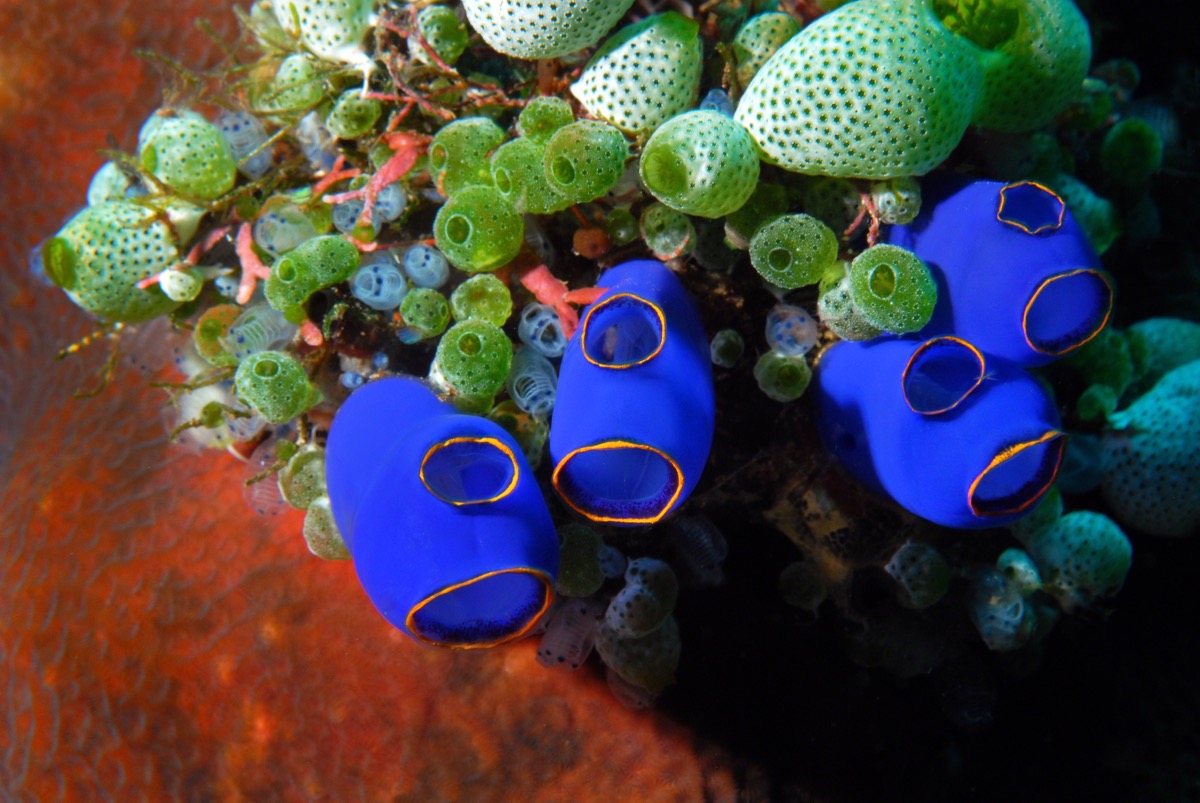
Blue Tunicates near Apo reef in the Philippines
Words & Photos by Michael Salvarezza and Christopher P. Weaver
Like the sponge, tunicates, which are also known as sea squirts, are primarily filter feeders that consume phytoplankton, bacterioplankton, and organic debris from the water column. They draw water in through a siphon, trapping food in a mucous net. Some, like predatory tunicates, catch small zooplankton. To obtain enough food, an average tunicate needs to process one body-volume of water per second. Indeed, tunicates can draw hundreds of liters of water in each day!
Despite their water filtration activity, tunicates are not related to sponges. Tunicates are considered complex chordates by the scientific community, which means they are more closely related to vertebrates, including humans. Sponges, in contrast, belong to the phylum Porifera, which represents some of the simplest forms of animal life on Earth.
Tunicates play a critical role in cleaning the world’s ocean water. For us, tunicates may hold an even more beneficial purpose. Tunicates contain a host of potentially useful chemical compounds, including: Plitidepsin, which is effective against various types of cancer and Trabectedin, an FDA approved anticancer drug. And tunicates can correct their own cellular abnormalities over a series of generations, and this process may hold the key to developing a similar regenerative process for humans.
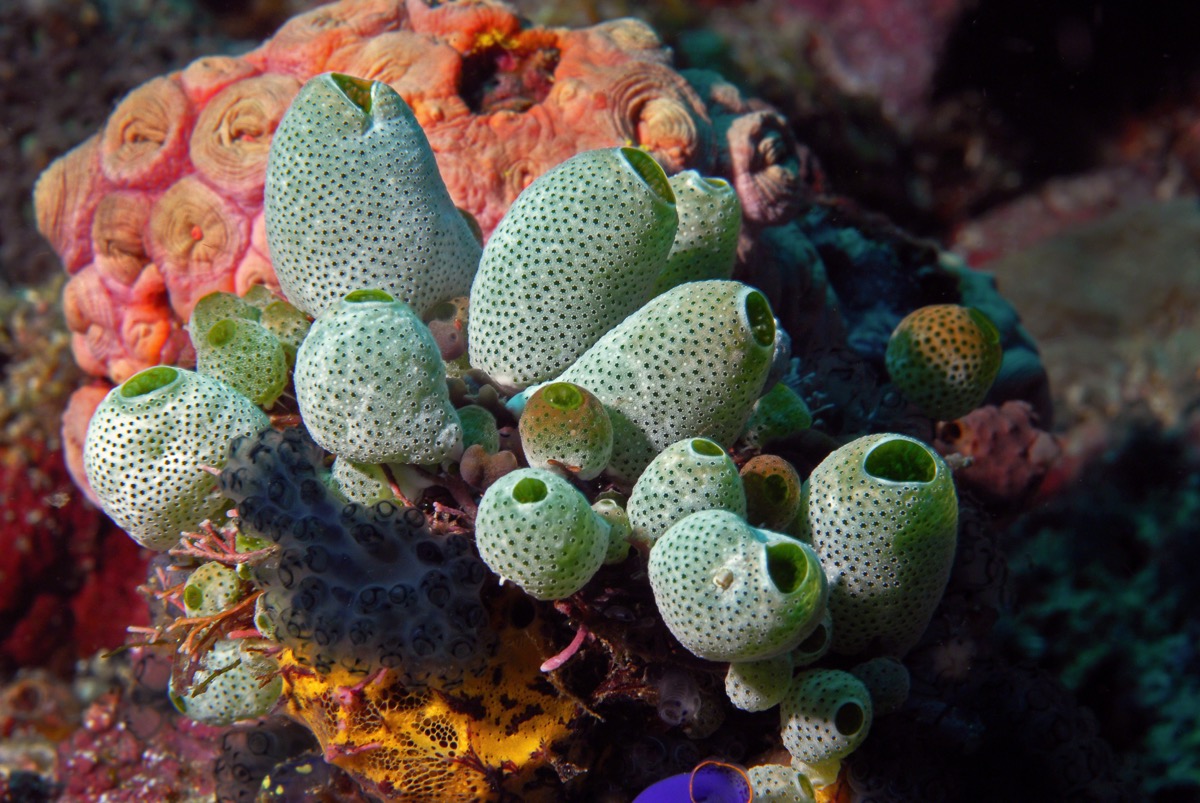
Green Barrel Tunicates (Philippines)
Despite their benefits, tunicates exist in nature’s balance just like every other organism. In recent years, several species of tunicates have been showing up in non-native waters as an invasive species. For example, the carpet tunicate (Didemnum vexillum) has taken over a 6.5 square mile area of the seabed on the Georges Bank off the northeast coast of North America, covering stones, mollusks, and other stationary objects in a dense mat while other species are invading the Puget Sound in Washington state.
One of the most common, and strikingly beautiful, species of tunicates seen by divers is the Blue Bell Tunicate (Clavelina moluccensis). Look for clusters of dozens, or even hundreds, of these organisms attached to rocky overhangs on reefs in the tropical Pacific, with a related species found in the tropical Atlantic. And because they don’t move, they make excellent subjects for macro photographers!
The underwater filtration system includes another class of animals: the bivalves.
Bivalves are a class of marine and freshwater mollusks (clams, oysters, mussels and scallops) characterized by a soft body enclosed within two hinged shells.
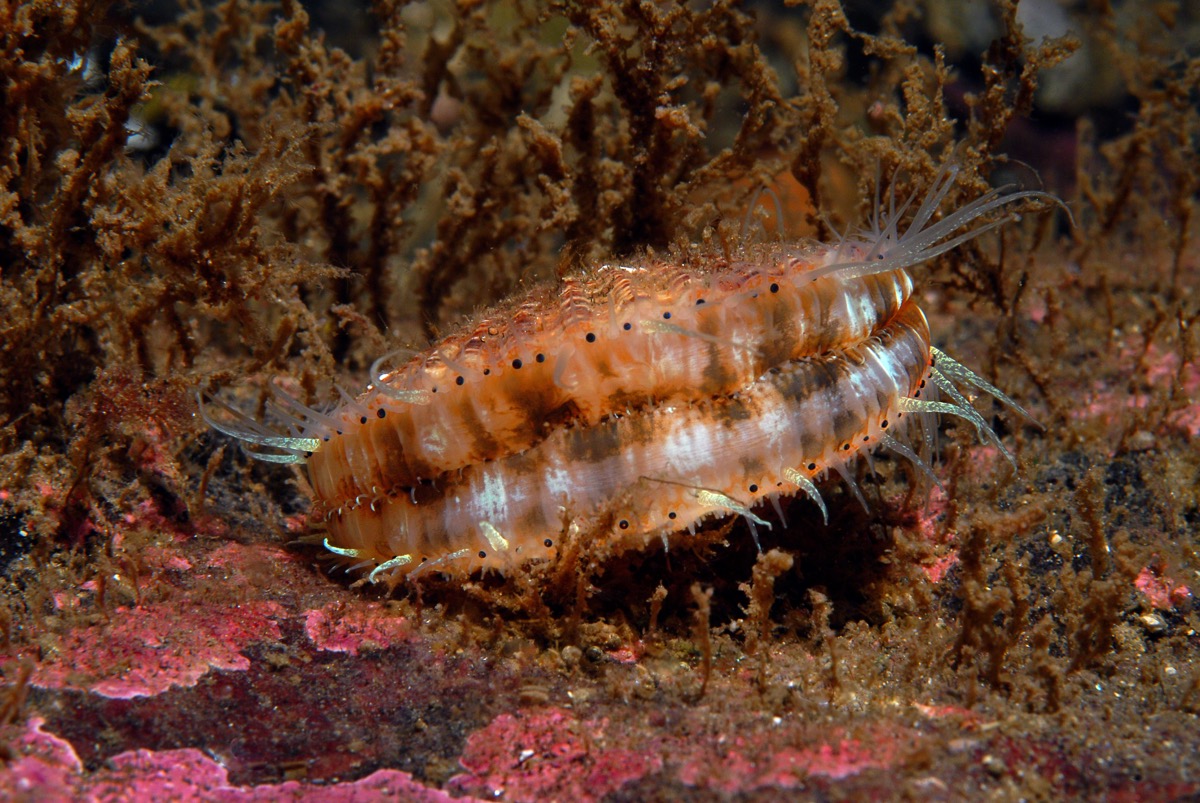
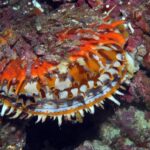
This Spiny Pink Scallop was found in Norway’s cold waters
These are invertebrates and lack a head and are filter feeders that use gills to breathe and eat. Their body is attached to the shells and often includes a muscular foot which enables movement. Bivalves are found in all the world’s oceans, and many species are also found in freshwater environments. They can be found anywhere from the deep ocean to sandy and rocky shorelines. A few species have been observed around hydrothermal vents found deep in the Pacific Ocean, below 13,000 feet.
There are close to 9,000 different species of bivalves. Some are sedentary, embedding themselves in a reef or attached to a hard surface permanently, while others are mobile, like the scallop which can propel itself through the water by snapping its shell open and closed.
Bivalves make their own shells. They have an internal organ called the mantle which secretes calcium carbonate and as the inner invertebrate grows, the outer shell expands as well to provide a roomier home.
Bivalves suck in water through a siphon, trapping food particles in mucus on their gills, and passing that food to their mouth. Their diet consists mainly of phytoplankton (microscopic algae), though they also consume detritus and bacteria.
Bivalves are highly efficient filter feeders that process significant amounts of water daily, with the capacity to process water varying by species, size, and environment. For example, a single adult oyster can filter up to 50 gallons of water per day, removing excess nutrients and pollutants while a single, smaller littleneck-sized clam can filter approximately 4.5 gallons of seawater per day.
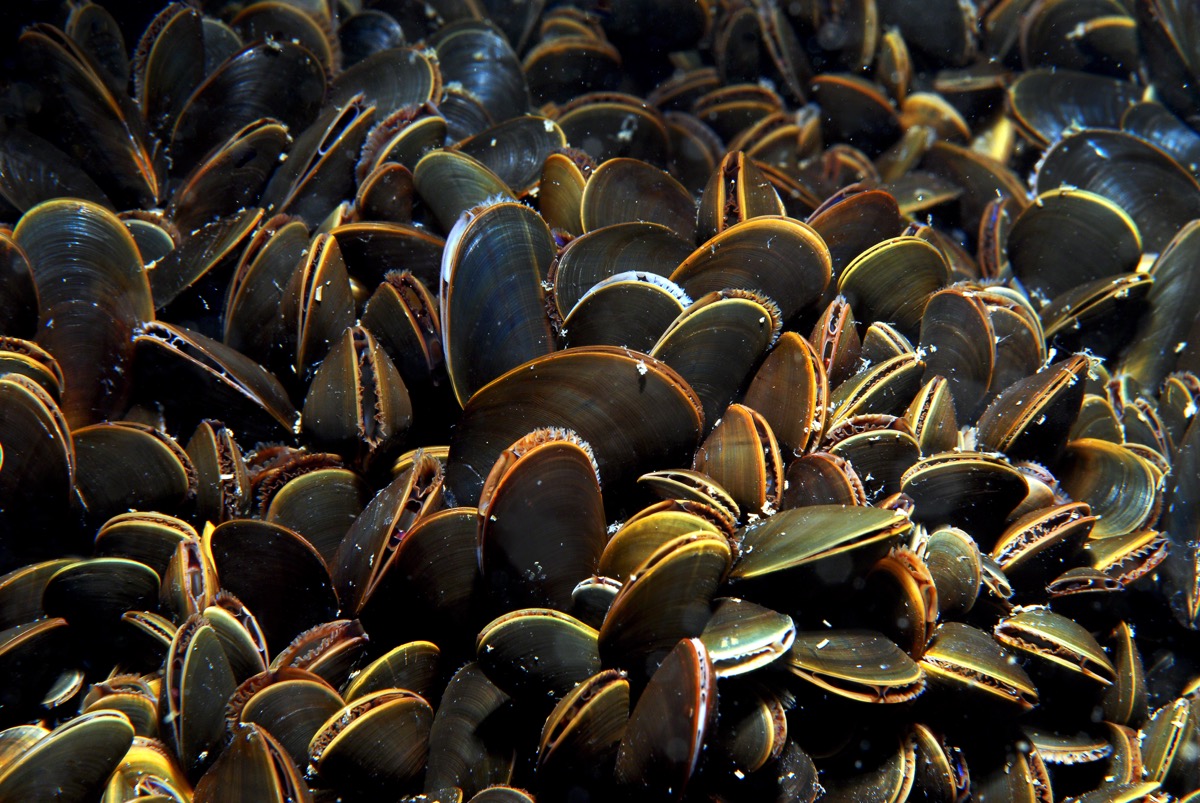
Beds of Blue Mussels cover the bottom off New York’s Long Island
To see the impact of bivalves firsthand, look no further than the Great Lakes, where the invasive Zebra Mussel (Dreissena polymorpha) has colonized these aquatic environments. These fast growing and very adaptable bivalves have crowded out many other species as they completely cover the hard surfaces in the lake. While non-native, there is one benefit they have provided: the waters of the Great Lakes have become clear! Previously unseen underwater vistas, including many dramatic shipwrecks, are now visible in ways never before observed. The power of the water filtration capabilities of the Zebra Mussels is very evident in these waters.
Indeed, Bivalves, along with Sponges and Tunicates, are the water filtration systems of our oceans and freshwater bodies of water the world over. As divers, we often swim over them without giving them a second glance. But next time you are on a dive, look for these quiet, unassuming organisms. They are helping keep the waters clean and clear…something all divers love!
Words & Photos by Michael Salvarezza and Christopher P. Weaver
-
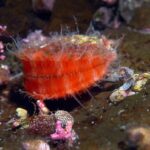
- Scallops are found throughout the world’s oceans
-
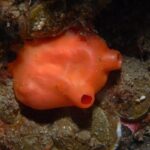
- Shiny Orange Sea Squirt, a type of Tunicate, from Alaska
-
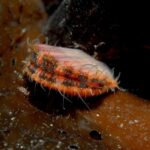
- A Spiny Pink Scallop, a marine bivalve from Alaska
-
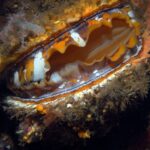
- Variable Thorny Oyster from Indonesia
-
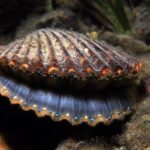
- Peconic Bay Scallop from New York with a multitude of blue eyes
-
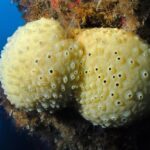
- Iceland: Yellow Boring Sponges, like these from Iceland, are found throughout the world’s oceans
-
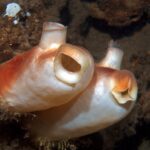
- Sea Peaches from the cold waters of Iceland
-
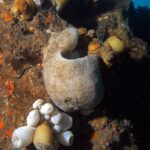
- The Elephant Ear Tunicate is a form of compound tunicate
-
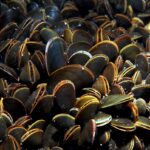
- Beds of Blue Mussels cover the bottom off New York’s Long Island
-
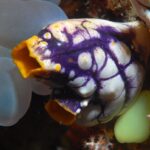
- Gold Mouth Sea Squirt from Indonesia’s Lembeh Straight
-
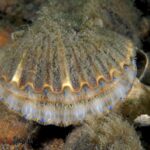
- Peconic Bay Scallops are dazzling beautiful
-
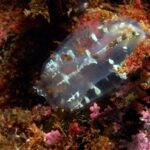
- This Tunicate is known as a Gas Mantle Ascidian, photographed in Norway
-
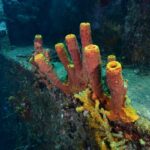
- Yellow Tube Sponges on a shipwreck in Grenada
-
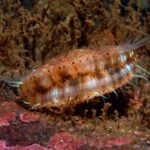
- This Spiny Pink Scallop was found in Norway’s cold waters
-
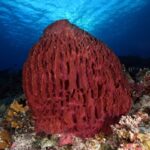
- The presence of large Barrel Sponges on the reef is an indicator of reef health
-
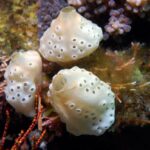
- A cluster of Ascidians, a type of sea squirt
-
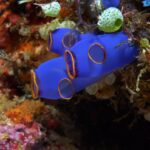
- Blue Tunicates from the Philippines are filter feeders that draw water through an oral siphon and expel it through an atrial siphon
-
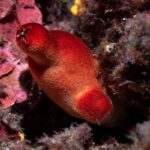
- This Tunicate is part of the Mediterranean’s water filter system
-
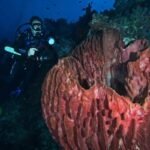
- Author Michael Salvarezza examines a giant Barrel Sponge
-
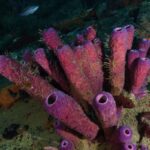
- These sponges from the Dominican Republic are attaching themselves to a shipwreck
-
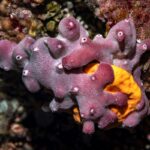
- Encrusting sponge from Malta in the Mediterranean Sea
-
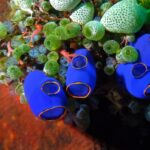
- Blue Tunicates near Apo reef in the Philippines
-
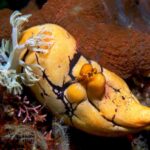
- A Golden Sea Squirt found in the Philippines
-
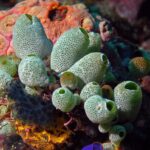
- Green Barrel Tunicates (Philippines)
-
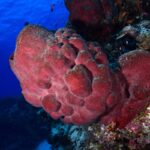
- A Vase Sponge on a drop-off in the Philippines
-
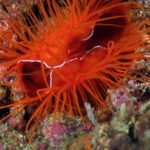
- An Electric Clam flashes its white lined mantle to simulate an electrical flash
-
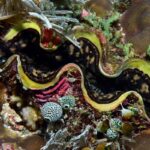
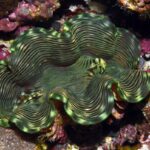
- Tridachna Clams are giant filter feeders
-
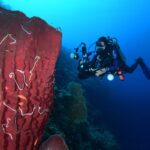
- Author Christopher Weaver photographs a barrel sponge
-
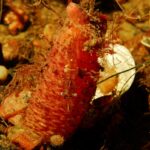
- A tiny shrimp on a tunicate beneath the ice in Russia’s White Sea
-
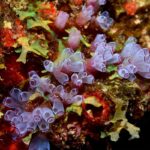
- A cluster of Painted Tunicates from St. Kitts
-
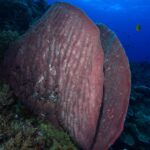
- This large sponge resembles an enormous taco
-
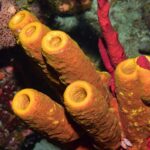
- Yellow Tube Sponges on a reef in St. Vincent
-
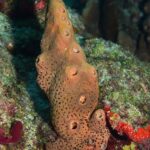
- Brown Encrusting Octopus Sponge from St. Vincent
-
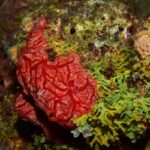
- A red encrusting sponge on a reef in St. Vincent
-
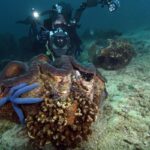
- Author Chrisopher Weaver and a Tridachna Clam
-
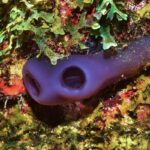
- A beautifully colored Tunicate from St. Vincent
-
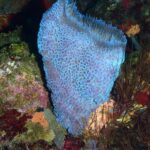
- This sponge from St. Vincent almost looks phosphorescent
-
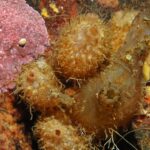
- Even beneath the frozen White Sea in Russia Sponges and Tunicates can be found